Hyderabad has quietly become one of the most talked-about real estate markets in India. And if you have been thinking about buying property here, you are not alone. The city has seen consistent buyer interest from working professionals, NRIs, first-time homebuyers, and long-term investors alike. But here is the thing: Hyderabad is also one of those markets where the wrong decision can cost you significantly, especially if you go in without understanding the basics.
This content is for people who are starting fresh. No jargon. No confusing legal abbreviations thrown at you without explanation. Just a clear walkthrough of what properties in Hyderabad look like, where people are actually buying, what you need to check before signing anything, and how the whole process actually works.
Why Hyderabad Still Attracts Property Buyers
Let's start with why the city draws so much attention in the first place.
Hyderabad has a mix of factors working in its favor that most Indian cities do not have together at the same time. The IT and pharma sectors have created a large salaried workforce with consistent housing demand. The city has expanded physically through infrastructure projects like the Outer Ring Road, which opened up dozens of localities that were previously too far or too disconnected to be practical for most buyers.
Property prices in Hyderabad have historically been lower than Bengaluru or Mumbai for comparable localities. That gap has narrowed in some micro-markets, but Hyderabad still offers more square footage for your budget in many areas. For buyers comparing cities, this matters.
The other factor is employment density. Areas like Gachibowli, Hitec City, Madhapur, and Kondapur have seen office supply grow significantly over the past decade. That concentration of workplaces creates a ripple effect: people want to live nearby, which drives residential demand, which sustains rental yields and long-term resale value.
None of this is a guarantee that any specific property will appreciate. But the broad structural conditions are real and worth understanding.
The Different Types of Properties Available in Hyderabad
When someone says "properties in Hyderabad," they could mean very different things. Here are the main categories you will encounter.
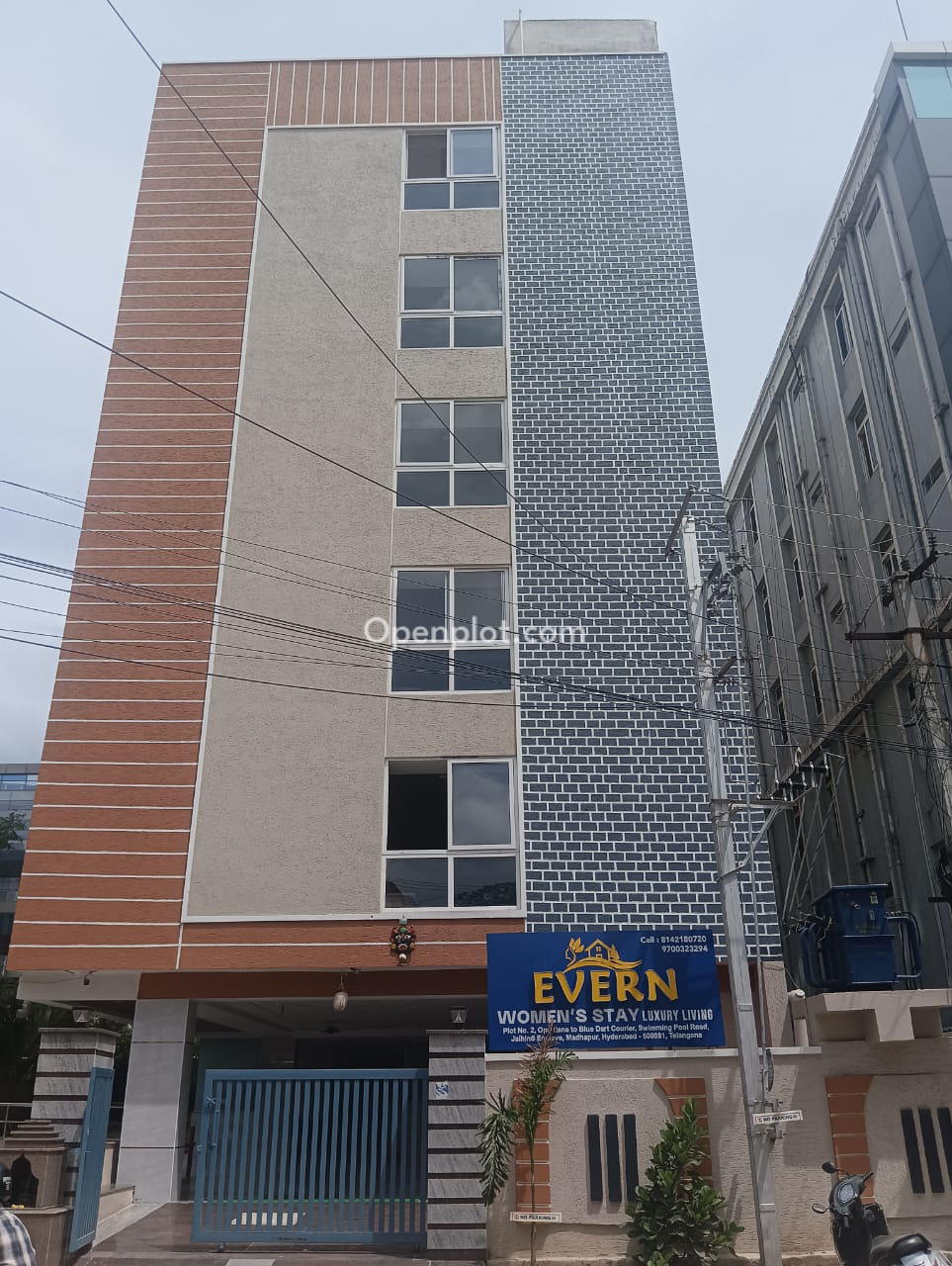
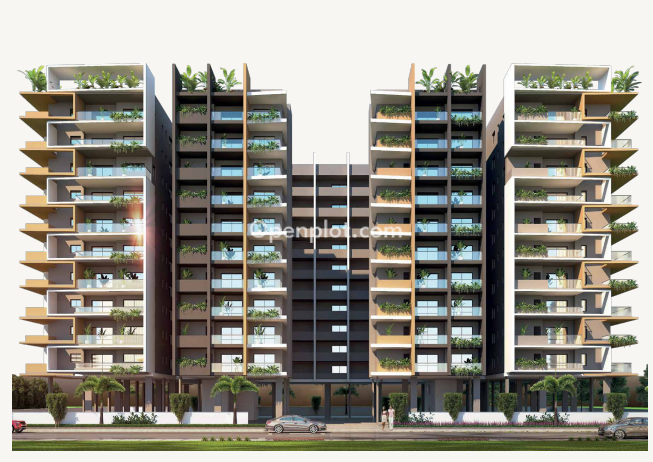
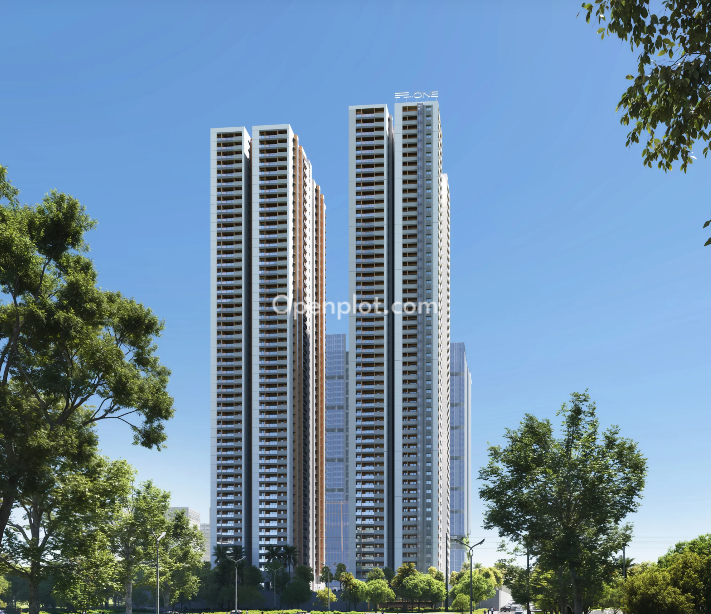
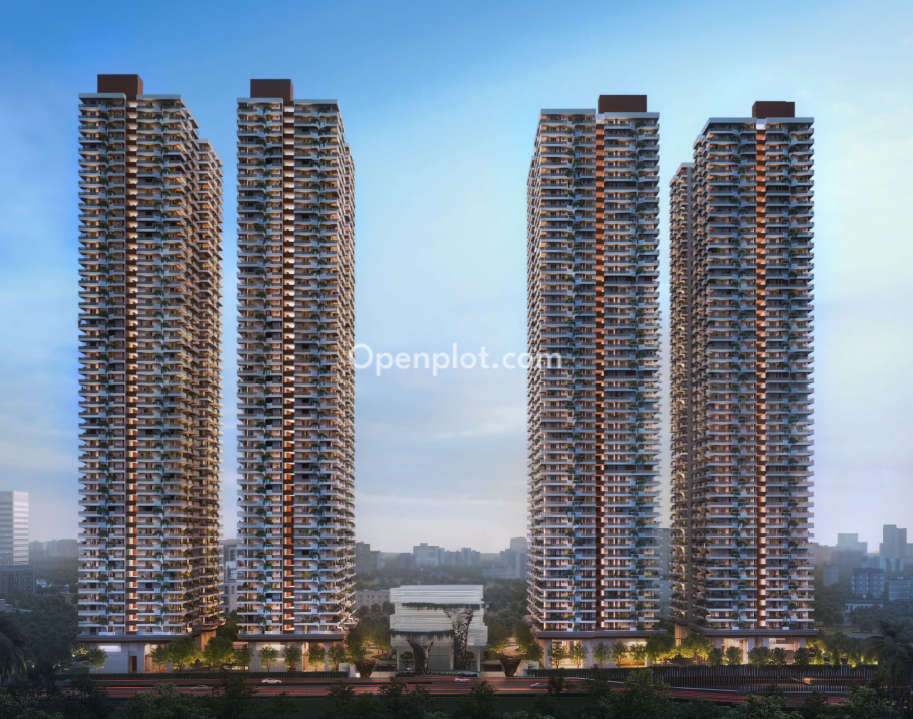
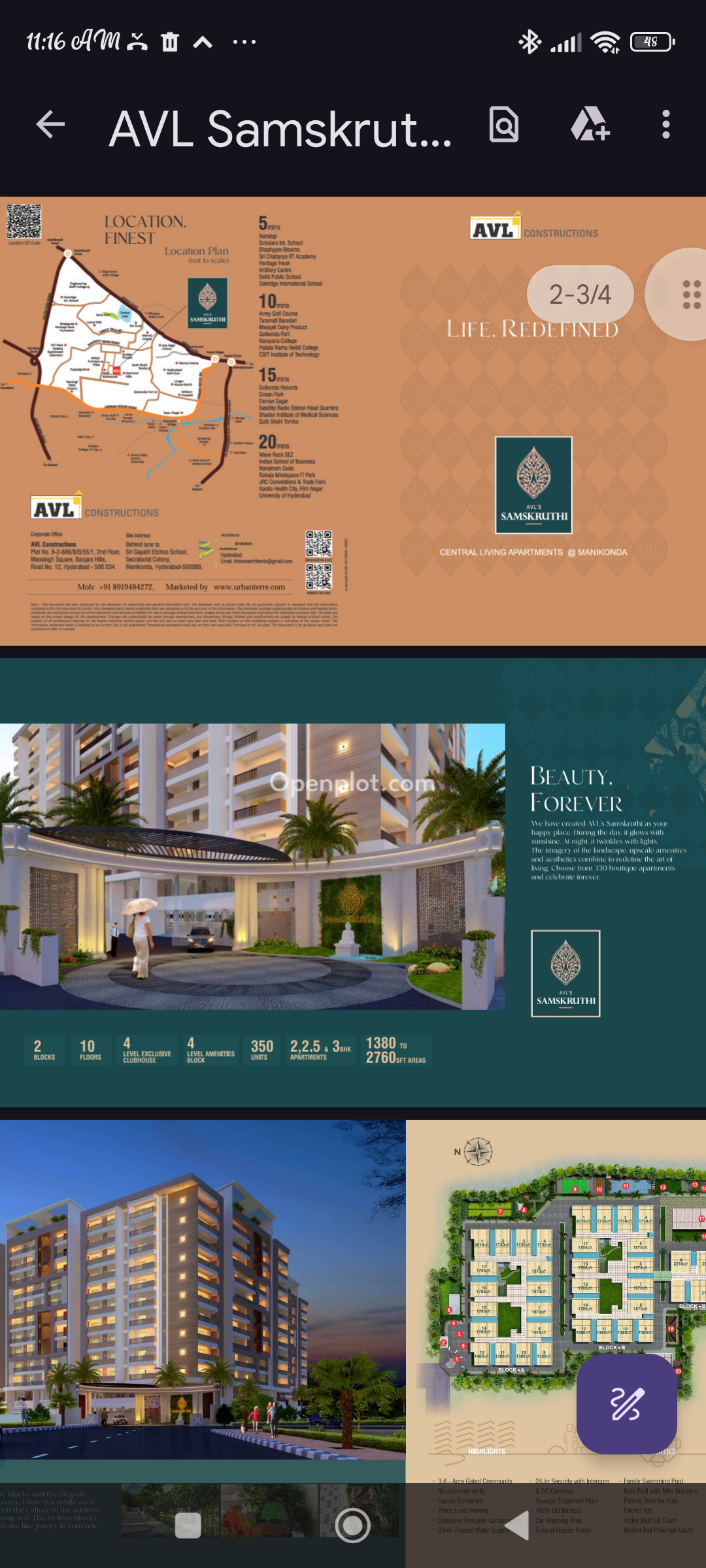
- Apartments in gated communities are the most common format buyers look at today. These are multi-floor residential buildings, usually developed by a builder, with shared amenities like a clubhouse, gym, swimming pool, and round-the-clock security. They come in 1 BHK, 2 BHK, 3 BHK, and larger configurations. In Hyderabad, the 2 BHK and 3 BHK formats dominate actual sales.
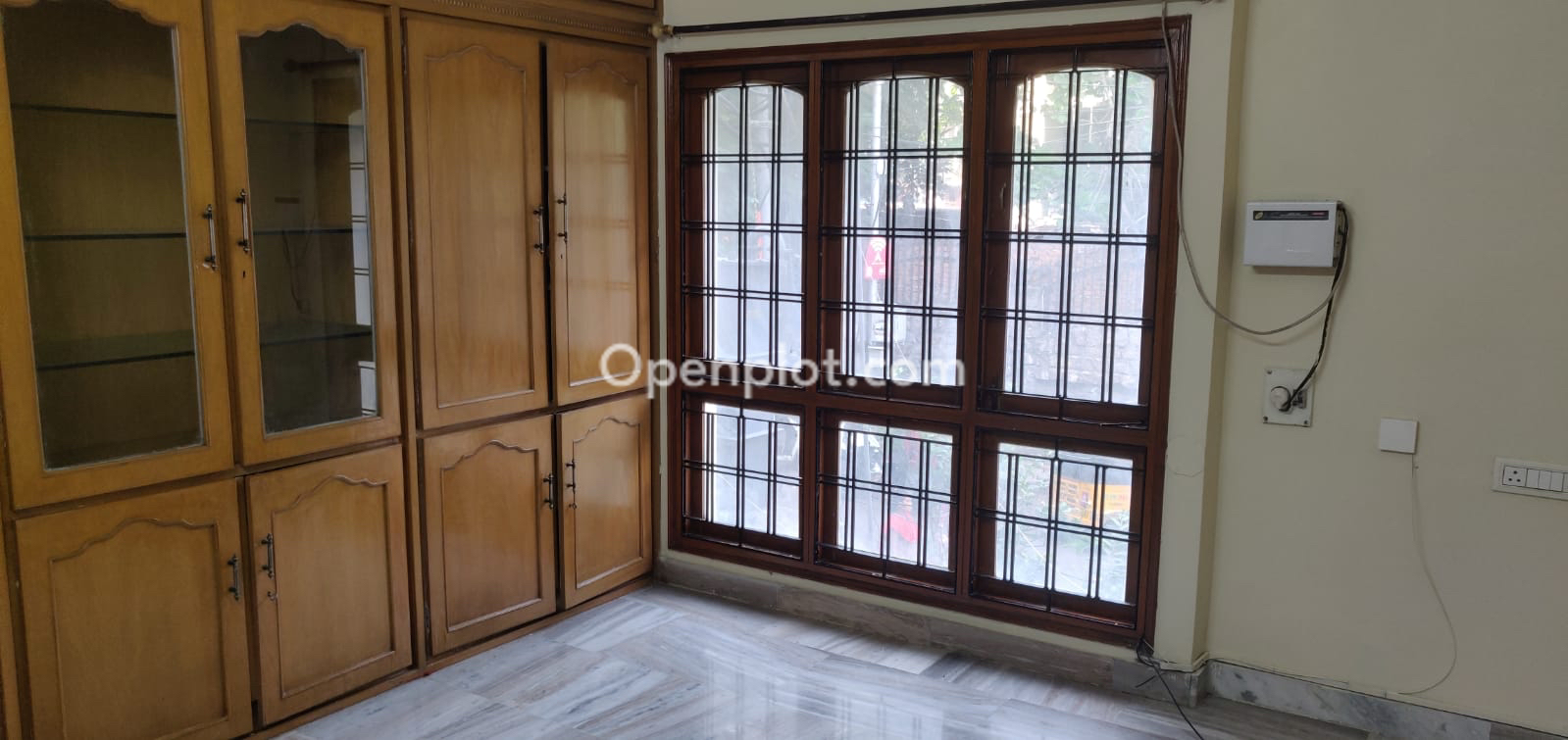
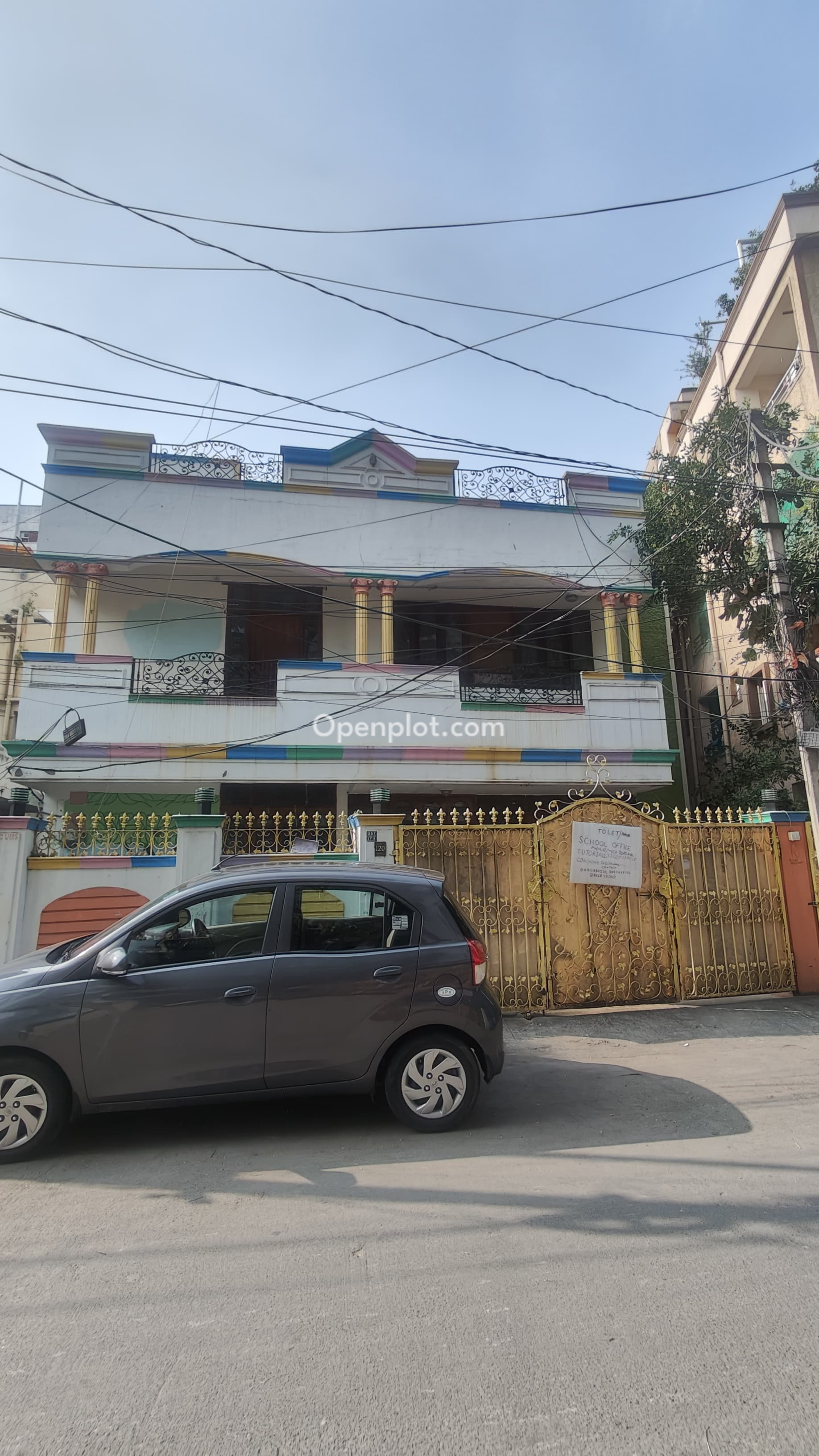
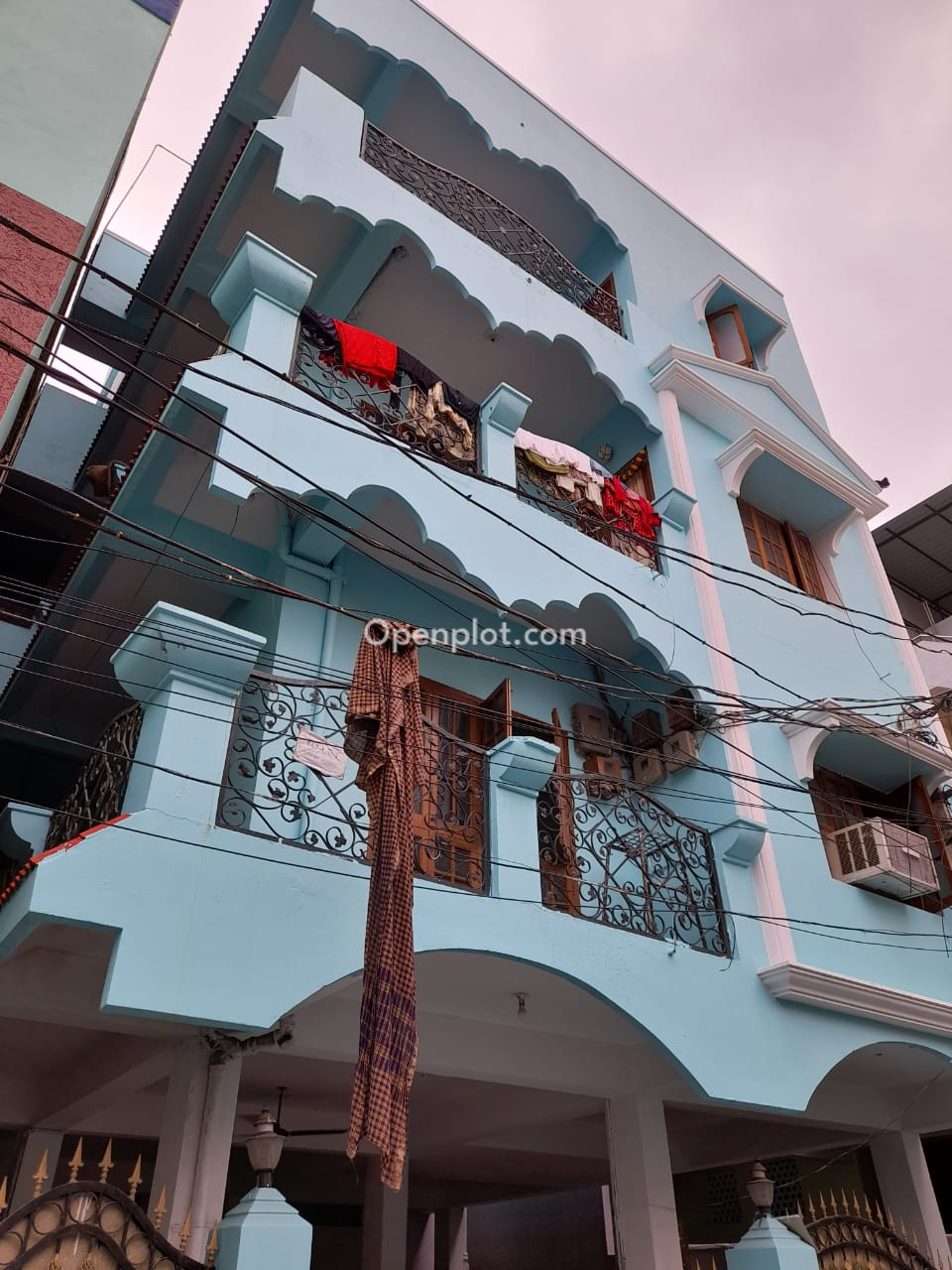
- Independent houses and villas are standalone properties, either on a plot of land you own or within a gated villa community developed by a builder. These give you more privacy and flexibility in how you use the space, but they typically come at a higher price per square foot.
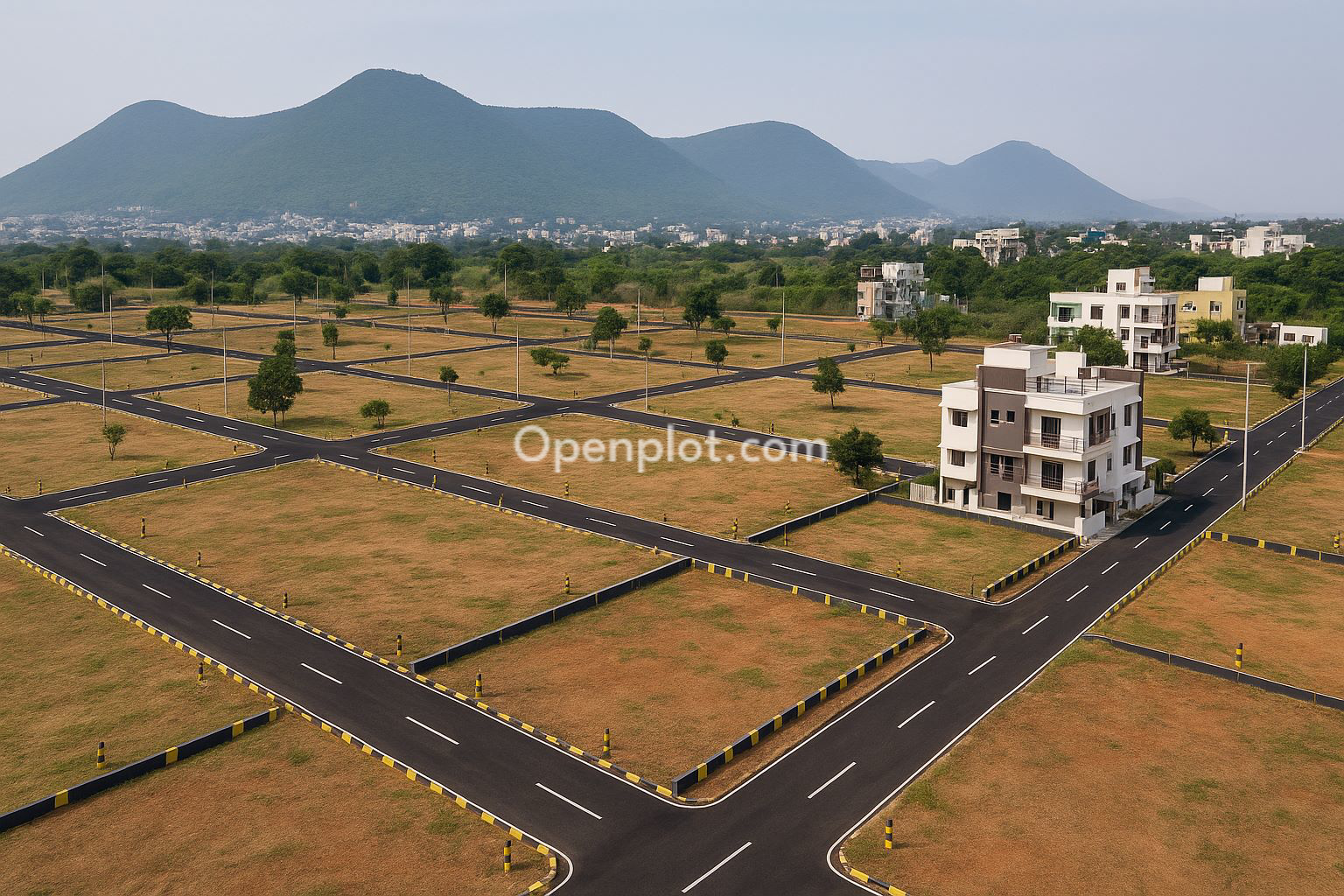
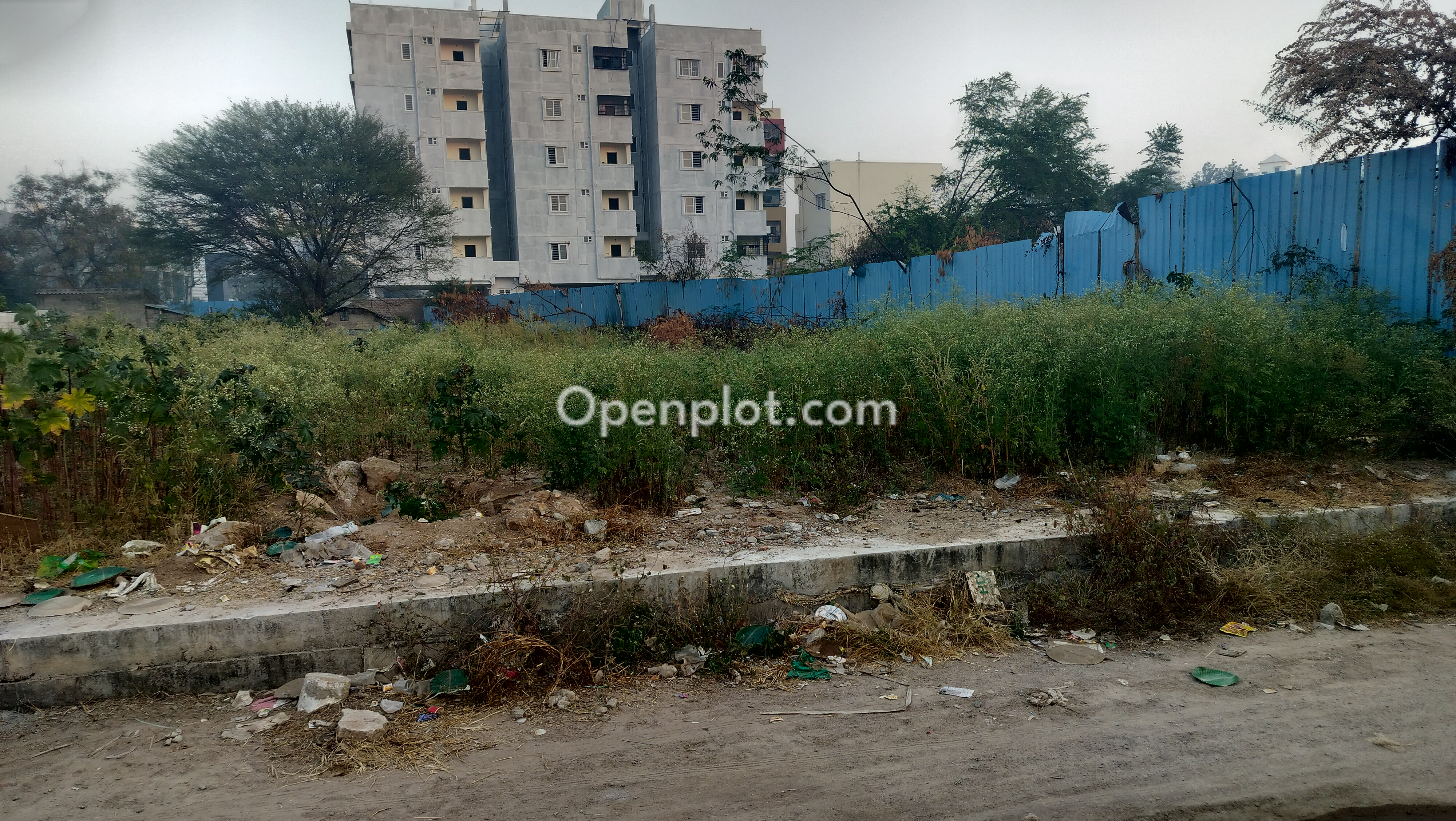
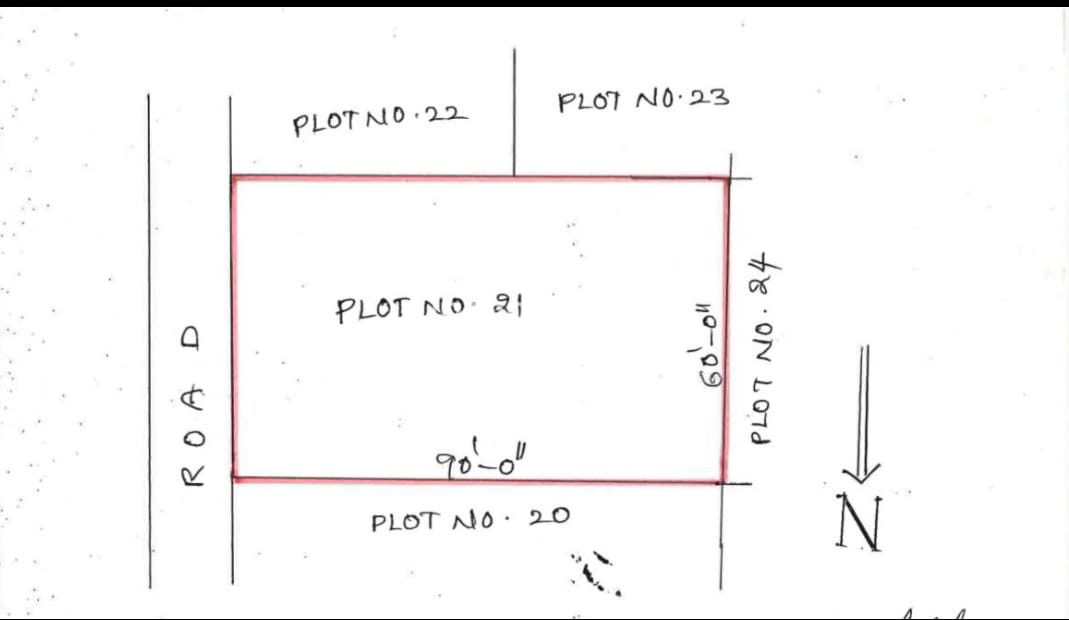
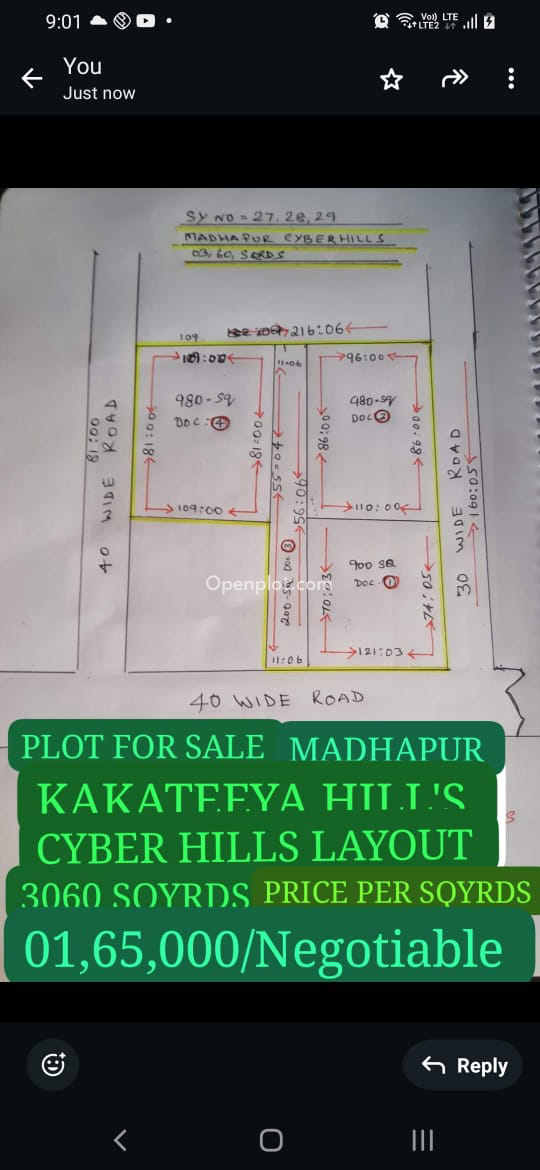
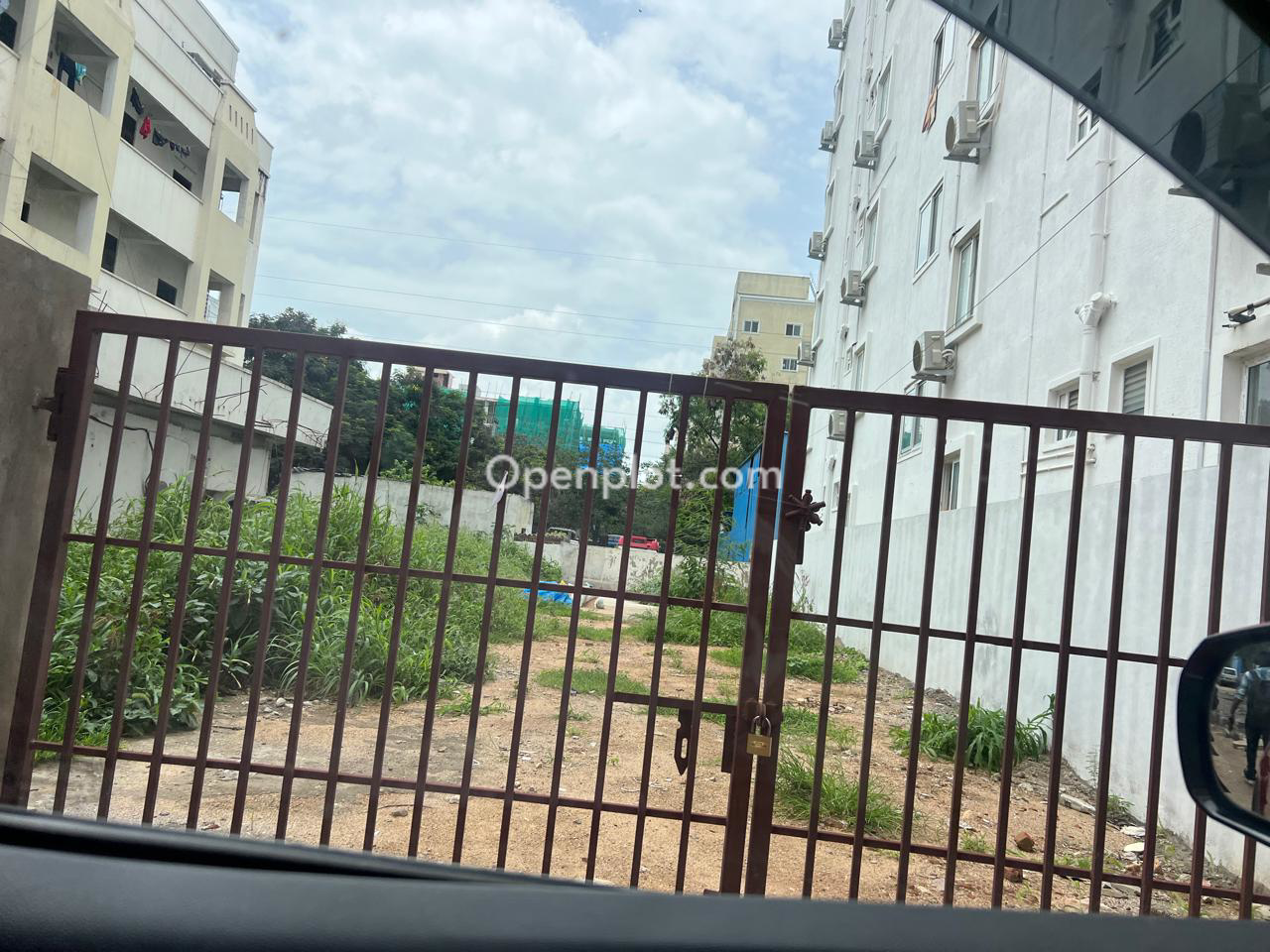
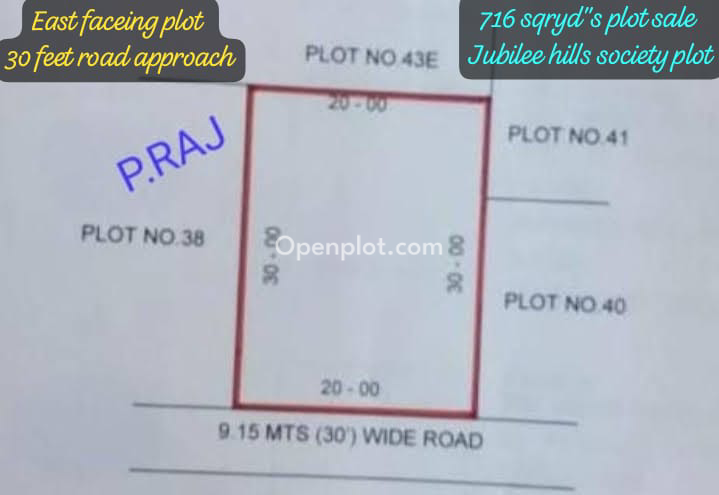
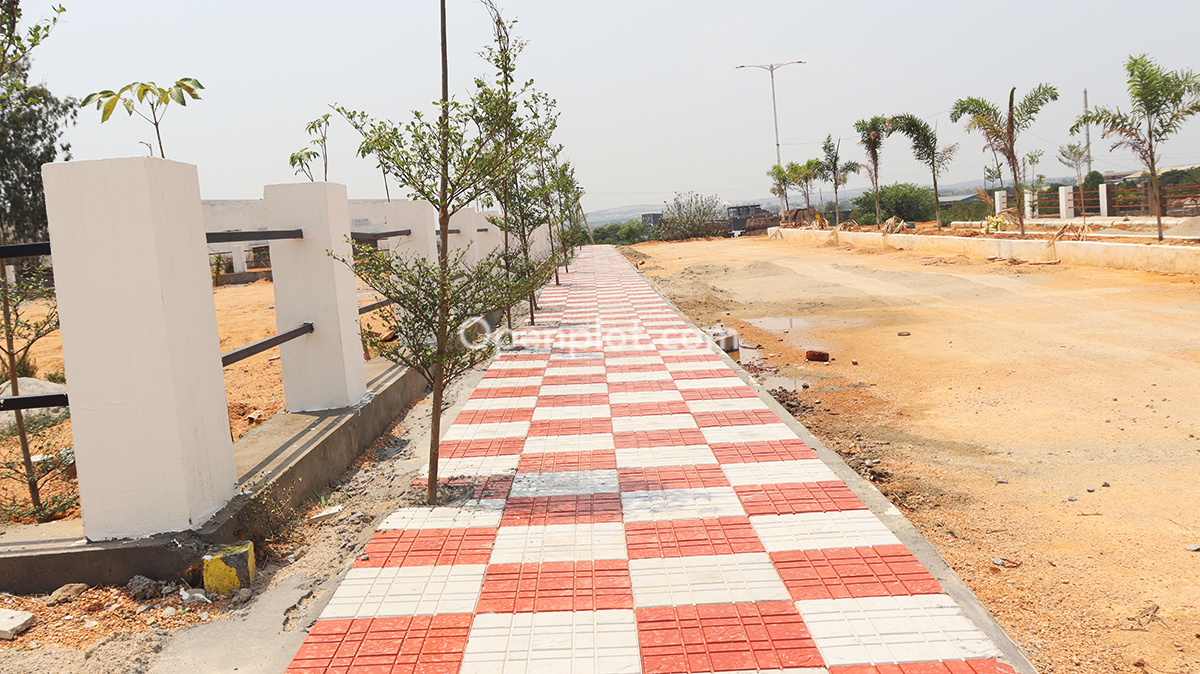
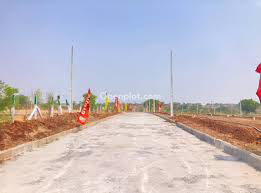
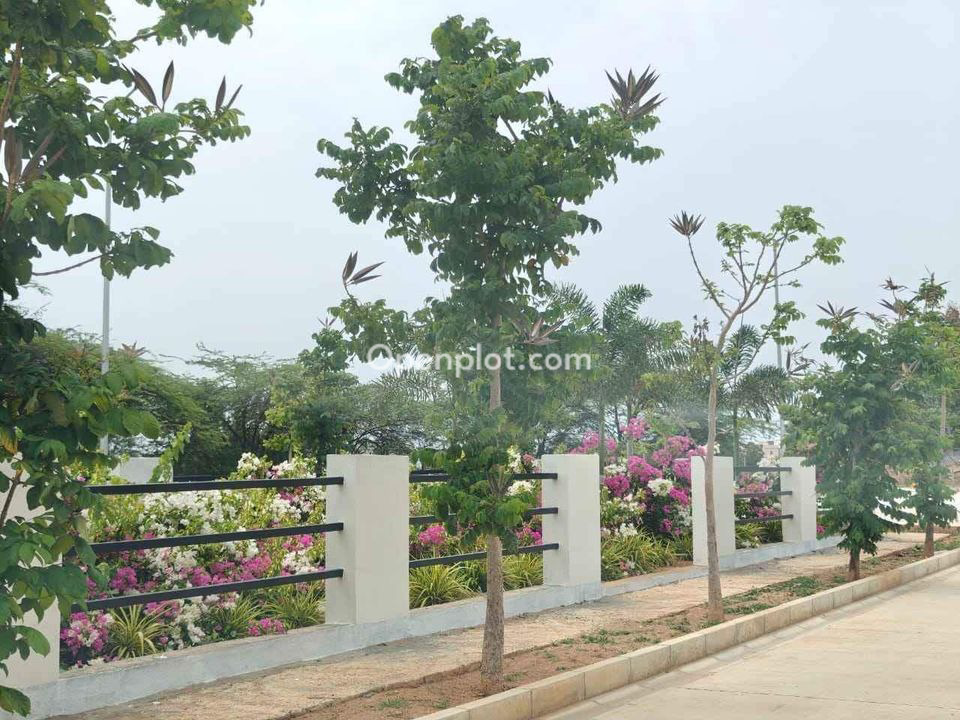
- Plots are open pieces of land that you buy to either build on later or hold as a long-term investment. Hyderabad's plot market has its own set of rules, approval types, and due diligence requirements. We cover the key checks in a later section.
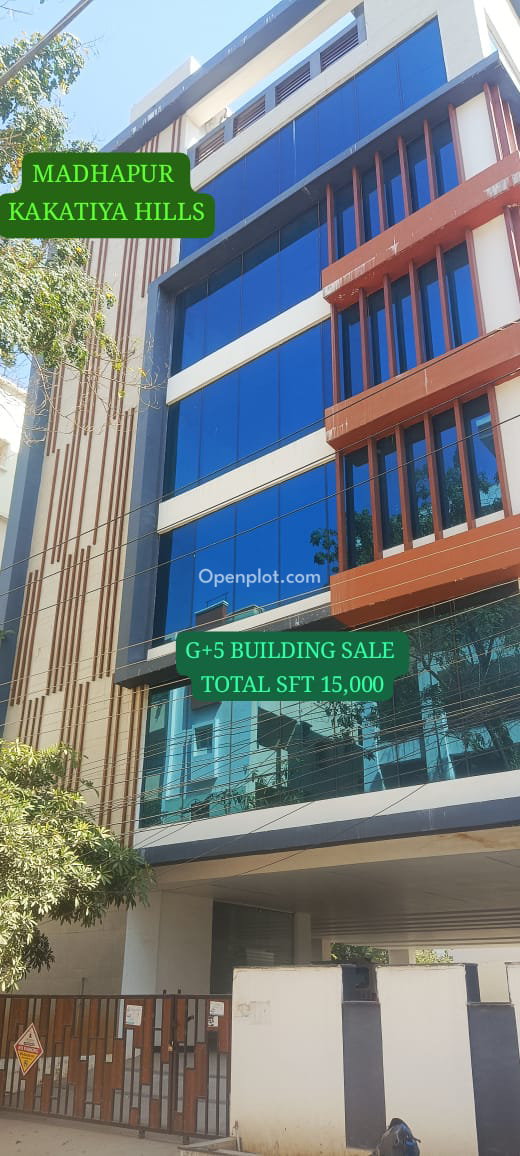
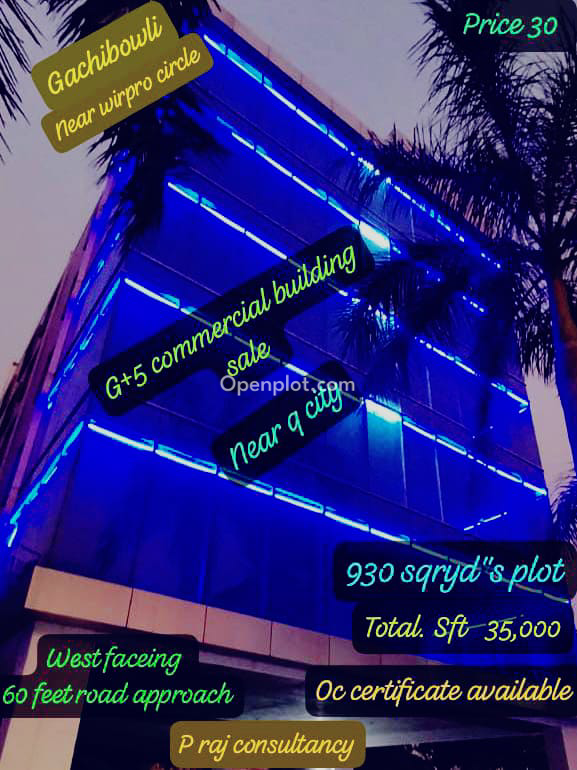
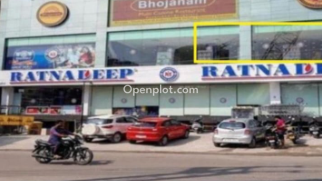
- Commercial properties include office spaces, retail shops, and warehousing. These are usually bought for investment and rental income rather than personal use.
Most first-time home buyers in Hyderabad start their search in the apartment category, which is where most of the builder inventory, RERA registration, and loan-eligible supply exists.
Where Are People Actually Buying Properties in Hyderabad?
Hyderabad's geography has shaped its property market. The city does not have one central demand zone. Instead, buying activity is spread across several corridors, each with its own character.
- The western corridor, covering areas like Gachibowli, Kondapur, Manikonda, Nallagandla, and Tellapur, has the highest demand volume. This is largely because the major IT parks and tech company offices are concentrated here. Commutes are short for people working in these zones, which keeps rental demand strong. Prices here reflect that demand.
- The north-west belt, including Miyapur, Bachupally, Kukatpally, and Nizampet, offers somewhat lower entry prices than the western corridor while still providing decent connectivity via the metro and the ORR. These areas attract buyers on tighter budgets who want to be within reach of the tech employment zones.
- The airport corridor, covering Shamshabad, Adibatla, and surrounding areas, has drawn investor attention because of the employment coming from aerospace, defence, and logistics companies setting up in that belt. Infrastructure development here is ongoing.
- The north side, including Kompally, Medchal, and Shamirpet, is more peripheral but has seen residential activity from buyers looking for larger plots or more space at lower prices.
- The RRR corridor and outer areas like Sangareddy, Chevella, and Bhongir attract primarily long-term investors rather than immediate end-users, since daily commute distances make these impractical as primary residences for most working professionals.
What Determines Property Value in Hyderabad Over Time?
Buying property is a long-term decision, so understanding what drives value over time is worth the time.
Proximity to employment nodes is consistently the strongest factor. Properties within a practical commute distance from IT parks, hospitals, educational institutions, and government offices hold value better and generate more consistent rental income than those in isolated areas, regardless of how attractive the pricing seems at entry.
Infrastructure connectivity matters enormously. Being close to an ORR interchange improves access to the entire city. Metro connectivity changes the dynamics of a locality by expanding the pool of potential renters and buyers who would consider living there.
Social infrastructure, which includes schools, hospitals, and daily convenience options, is often underweighted by buyers but heavily weighted by tenants and future buyers. A locality with two decent schools, a hospital, and grocery access will always have more consistent demand than one without.
Developer reputation and project quality affect value at the micro level. Two apartments in the same locality can perform very differently based on how well the project was maintained, whether the association is functional, and whether the builder delivered what was promised.
Before You Buy: The Essential Checks for Properties in Hyderabad
This is the part most buyers skip or rush through. Do not do that.
For Apartments, check these before anything else:
- Check the RERA registration number on the Telangana RERA portal using the project name or registration number. RERA registration means the developer has disclosed the approved plan, timeline, and financials to the regulatory authority.
- For ready-to-move properties, ask for the Occupancy Certificate. The OC confirms the local authority has inspected the building and certified it as fit for occupation. Properties without an OC create problems with utilities, home loans, and future resale.
- Verify that the sale agreement clearly states the carpet area, not just the super built-up area. Carpet area is the space you actually live in. Super built-up area includes common passages, walls, and shared spaces that inflate the number.
For Plots and Independent Houses, the checks go deeper:
- Confirm land use conversion from agricultural to residential. Without this, construction is not legally permitted.
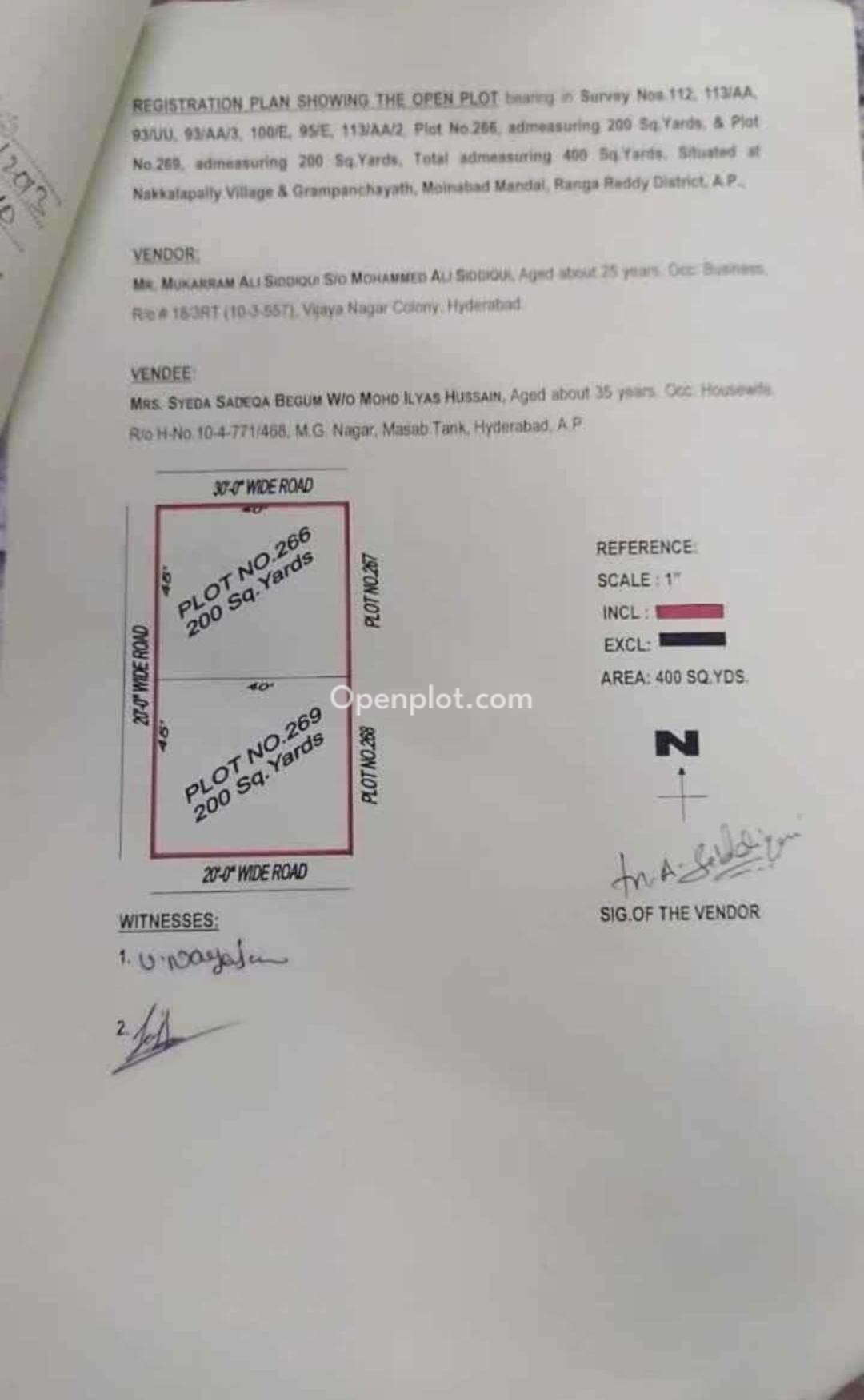
- Get the Encumbrance Certificate for at least the last 30 years. This shows whether the land carries any existing loans, legal claims, or disputes.
- Verify layout approval from HMDA or DTCP depending on the area. No approval document means the layout may be unauthorised.
- Check the title deed history going back 30 to 40 years to confirm clean ownership without gaps or disputes.
- Confirm that the plot has legal road access, not just physical access through a neighbour's land.
One rule that applies to every property type:
- Never skip the physical visit. Go on a regular weekday without the developer or broker present. Walk the roads, check the neighbourhood, and see what the area actually looks and feels like under normal conditions.
How Property Registration Works in Hyderabad
Once you have decided to buy and completed your checks, the transaction process follows a clear sequence.
The first step is the sale agreement, which is a legal document between the buyer and the seller. This records the agreed price, payment schedule, and timelines. It is typically executed on stamp paper and should be drafted carefully, preferably with a property lawyer reviewing it.
After the agreed payments are made, the registered sale deed is executed. This is the document that legally transfers ownership of the property to you. It is executed in the presence of a Sub-Registrar and requires both parties to be present. Biometric verification and identity documents are required.
Registration costs in Telangana total approximately 5.5% to 6% of the property value, spread across stamp duty at 4%, registration fee at 0.5%, and transfer duty at 1.5% for properties above a certain guideline value threshold.
After registration, the buyer needs to complete mutation, which is the process of updating the local municipal or Panchayat records to reflect the change in ownership. This is especially important for plot buyers. Mutation does not prove title on its own, but it is a necessary administrative step.
Common Mistakes First-Time Buyers Make in Hyderabad
A few patterns come up repeatedly with first-time buyers.
Going by price per square foot without looking at carpet area leads to poor comparisons. Two projects quoted at the same rate can have very different actual usable areas depending on how the builder has defined the super built-up area.
Relying only on the broker for documents is a mistake. Always request documents directly from the seller, the Sub-Registrar office, or the relevant approval authority. Brokers are intermediaries, not document custodians.
Ignoring road access. For plot buyers especially, check that the plot has legal road access, not just physical access. A plot that can only be reached by crossing someone else's land creates serious problems later.
Not accounting for total cost. The property price is not the only cost. Add registration charges, legal fees, brokerage, and for under-construction properties, GST. For plots, also account for site development costs before construction.
Buying based on future projections alone. Infrastructure projects get delayed. Employment nodes take time to develop. If you are buying in an emerging area, the fundamentals should make sense even if the anticipated development is five years away.
Is Hyderabad Right for You as a Property Market?
Hyderabad suits buyers who want a city with real employment depth, reasonable infrastructure, and a property market that has shown consistent demand over time. It is not a speculative market that will make you rich quickly. Properties here require the same careful evaluation as anywhere else.
For end-users who want a home close to their workplace, the western corridor offers good options across budget ranges. For investors who are comfortable with longer holding periods, emerging corridors along the ORR and RRR offer entry at lower prices.
The city rewards buyers who do their research, get the right documents verified, and make decisions based on real commute times and real infrastructure rather than optimistic projections.

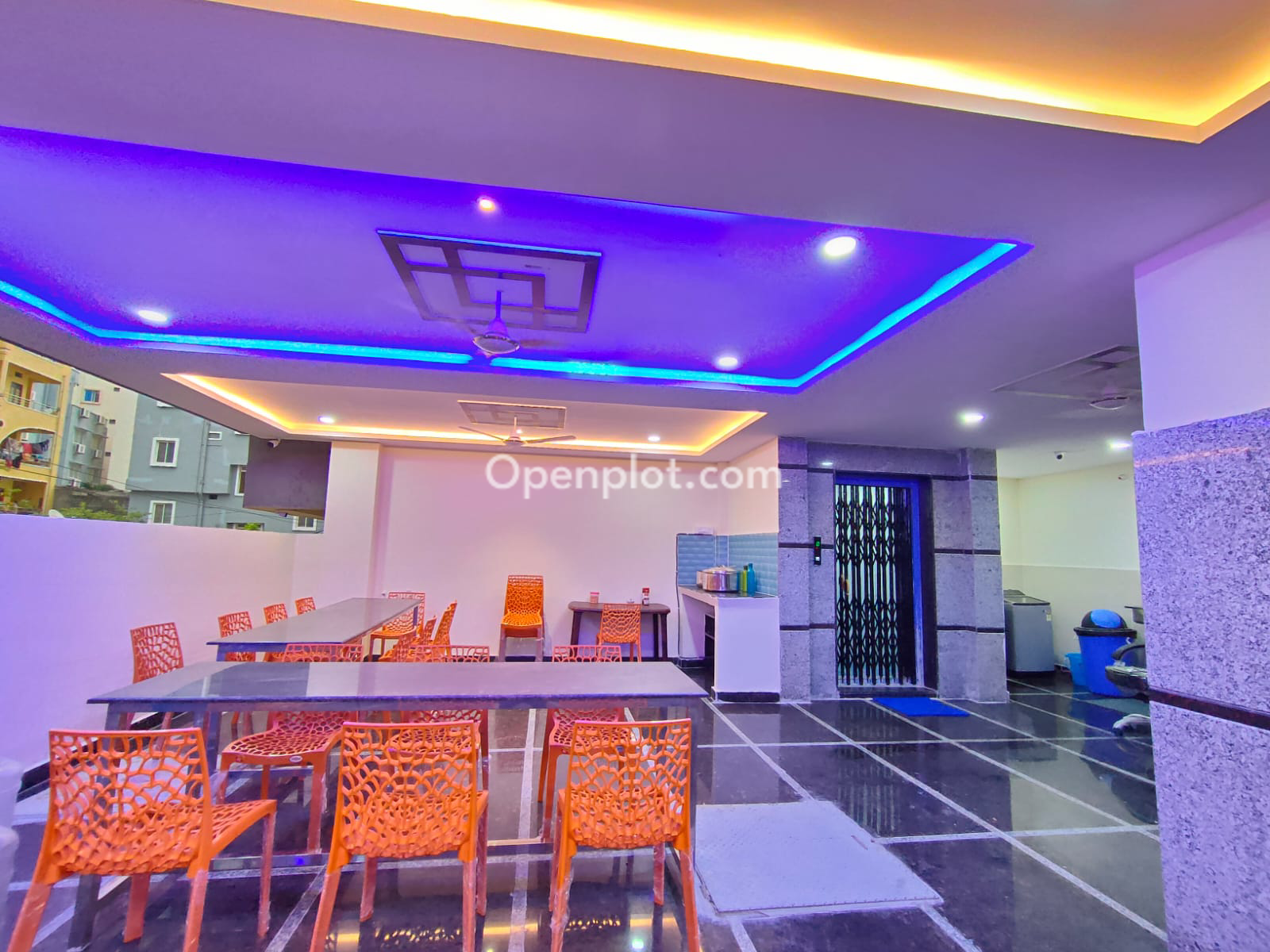
.webp "8 BHK Independent House for Sale in Sripuram Colony,Hyderabad | Openplot")
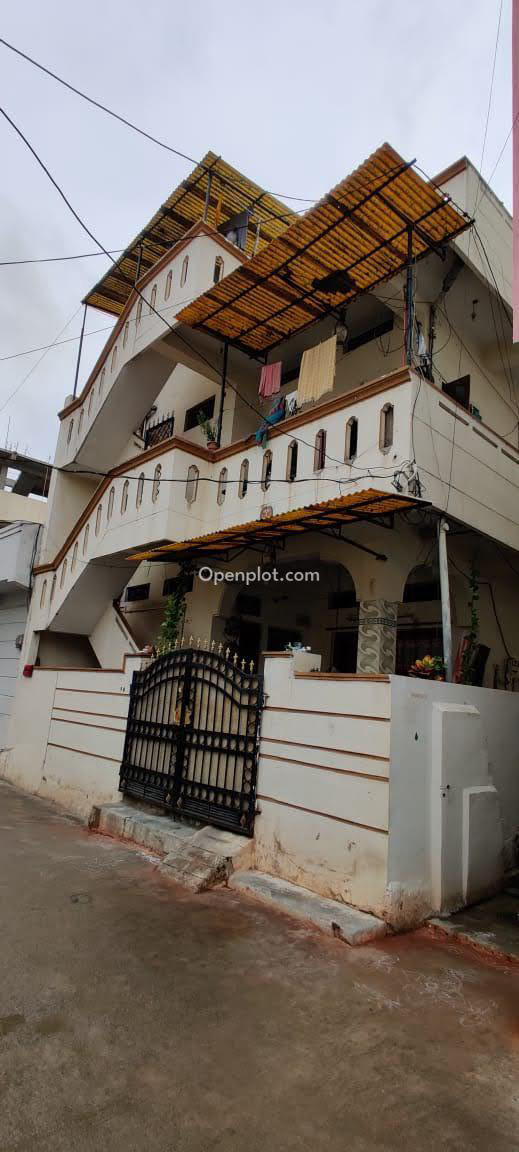


.jpeg "Plot for Sale in Gachibowli,Hyderabad | Openplot")