
Type of Property
Property Category
No.of Bedrooms
Facing
Price Range
Posted by
Purchase type
Construction Status
16 Properties for Buy in
Success!
Blocked!
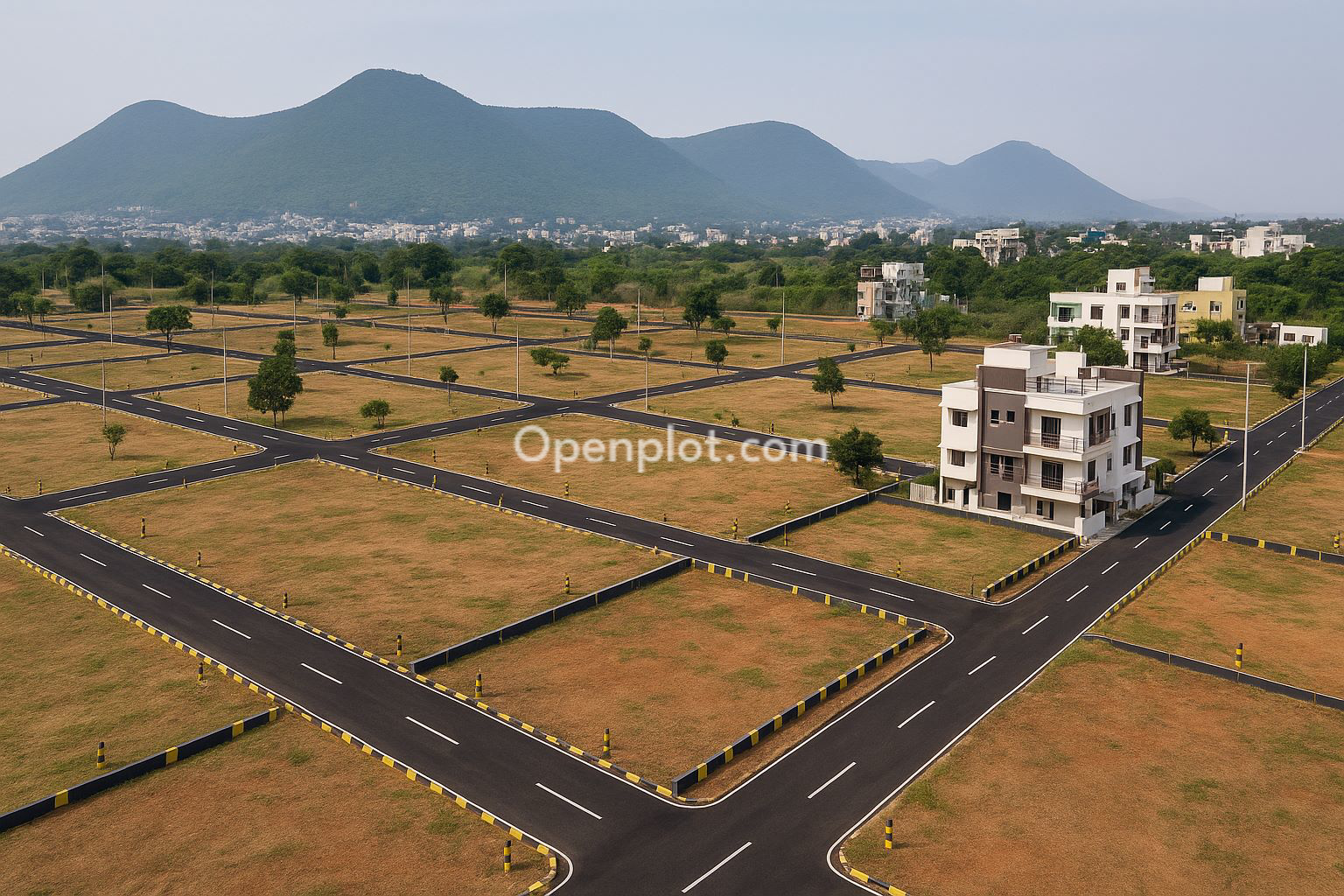
Plot for Sale in Hyderabad GPO,Hyderabad
₹64 L @ Rs 32 K/- per sqyd
Description : Prestige Pulimamidi offers a t...
arrow_drop_downPlot for Sale in Neredmet,Hyderabad
₹32 L @ Rs 31.1 K/- per sqyd
Description : Open plot ready to construct ...
arrow_drop_down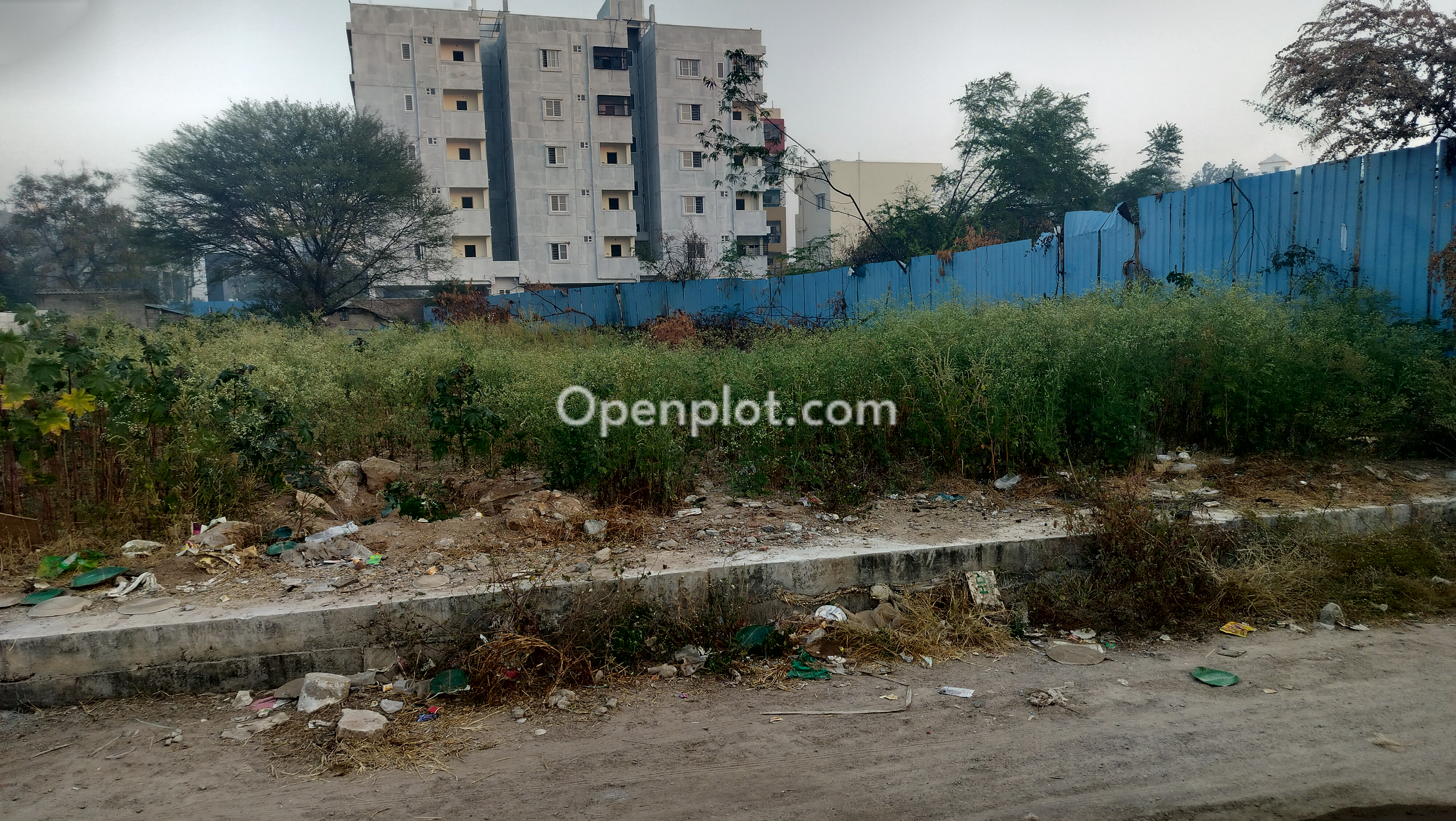
Plot for Sale in Manovikasnagar,Hyderabad
₹4.50 Cr @ Rs 90 K/- per sqyd
Description : Open land ...
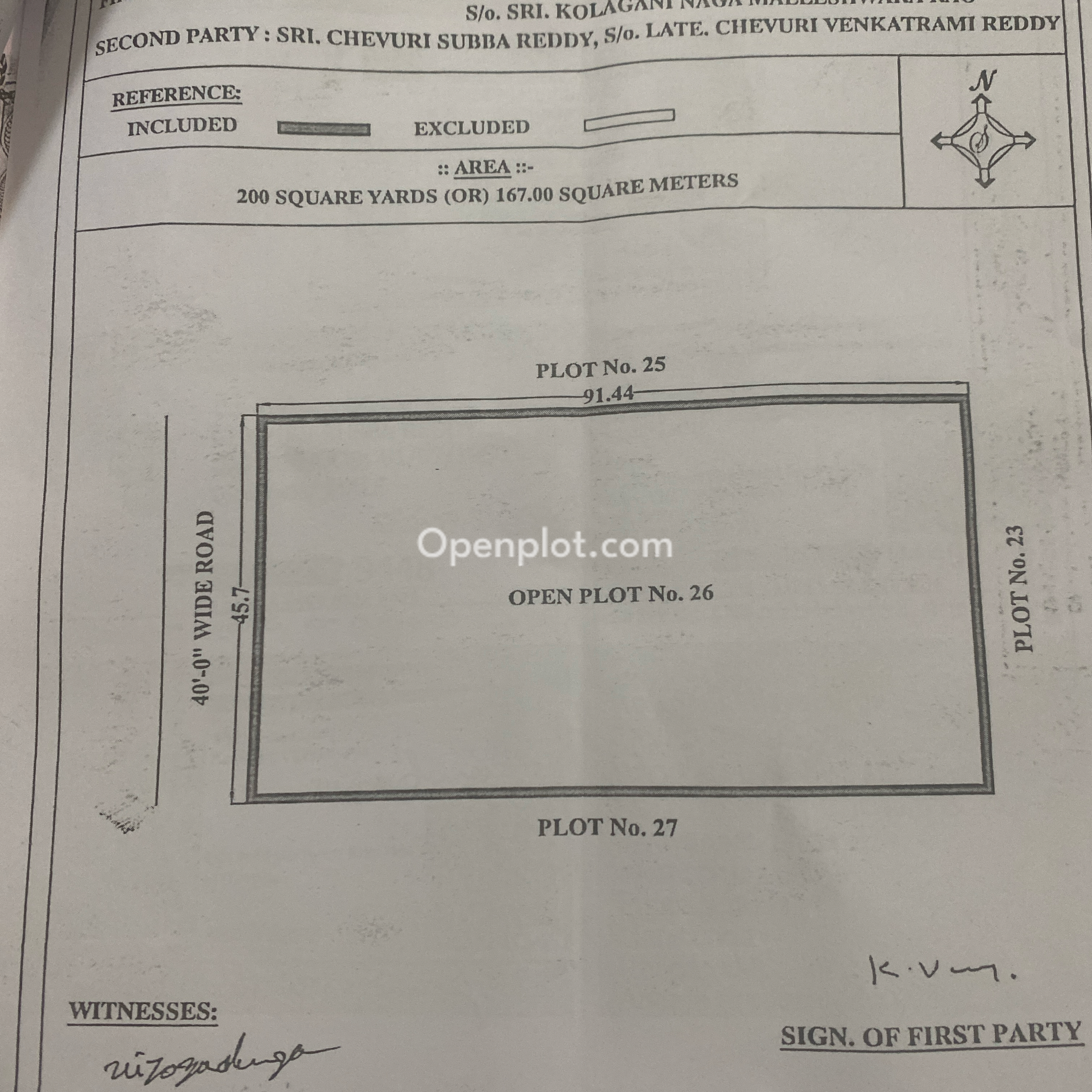
Plot for Sale in Toli Chowki,Hyderabad
₹2.50 Cr @ Rs 1.25 L/- per sqyd
Description : Residential plot in a develope...
arrow_drop_down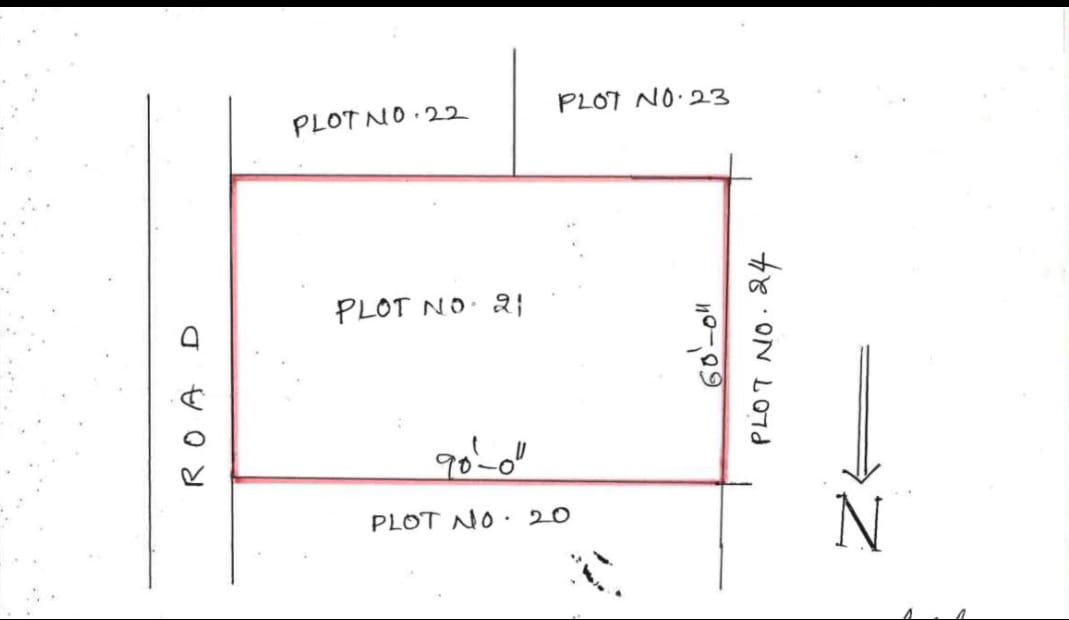
Plot for Sale in Madhapur,Hyderabad
₹18 Cr @ Rs 3 L/- per sqyd
Description : 🌲🌲MADHAPUR🌲🌲 JUBLEE ENCLAVE...
arrow_drop_down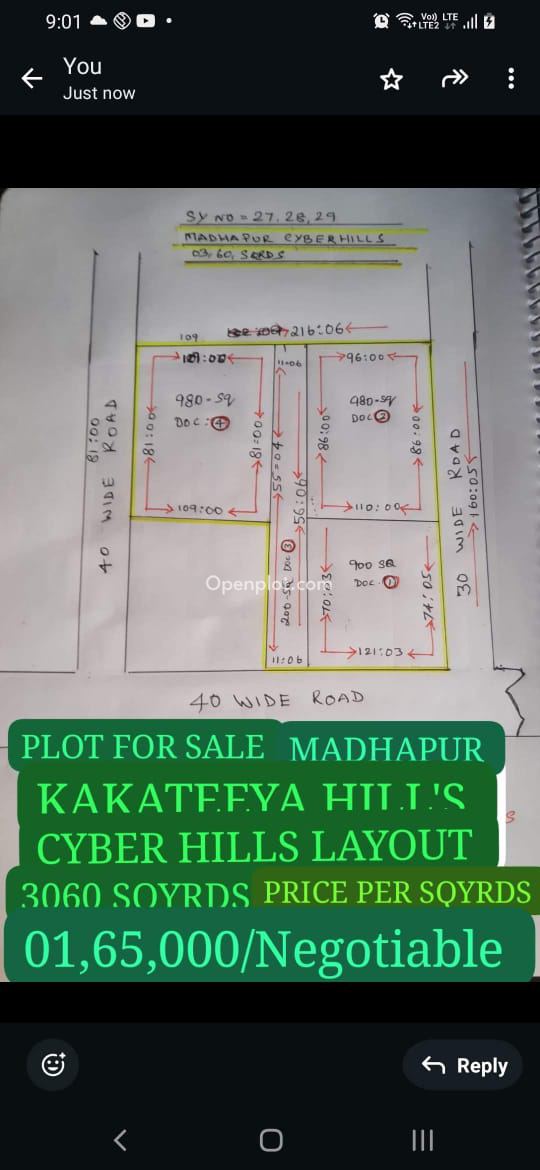
Plot for Sale in Kondapur,Hyderabad
₹50.49 Cr @ Rs 1.65 L/- per sqyd
Description : Residencial plot for Sale Loca...
arrow_drop_down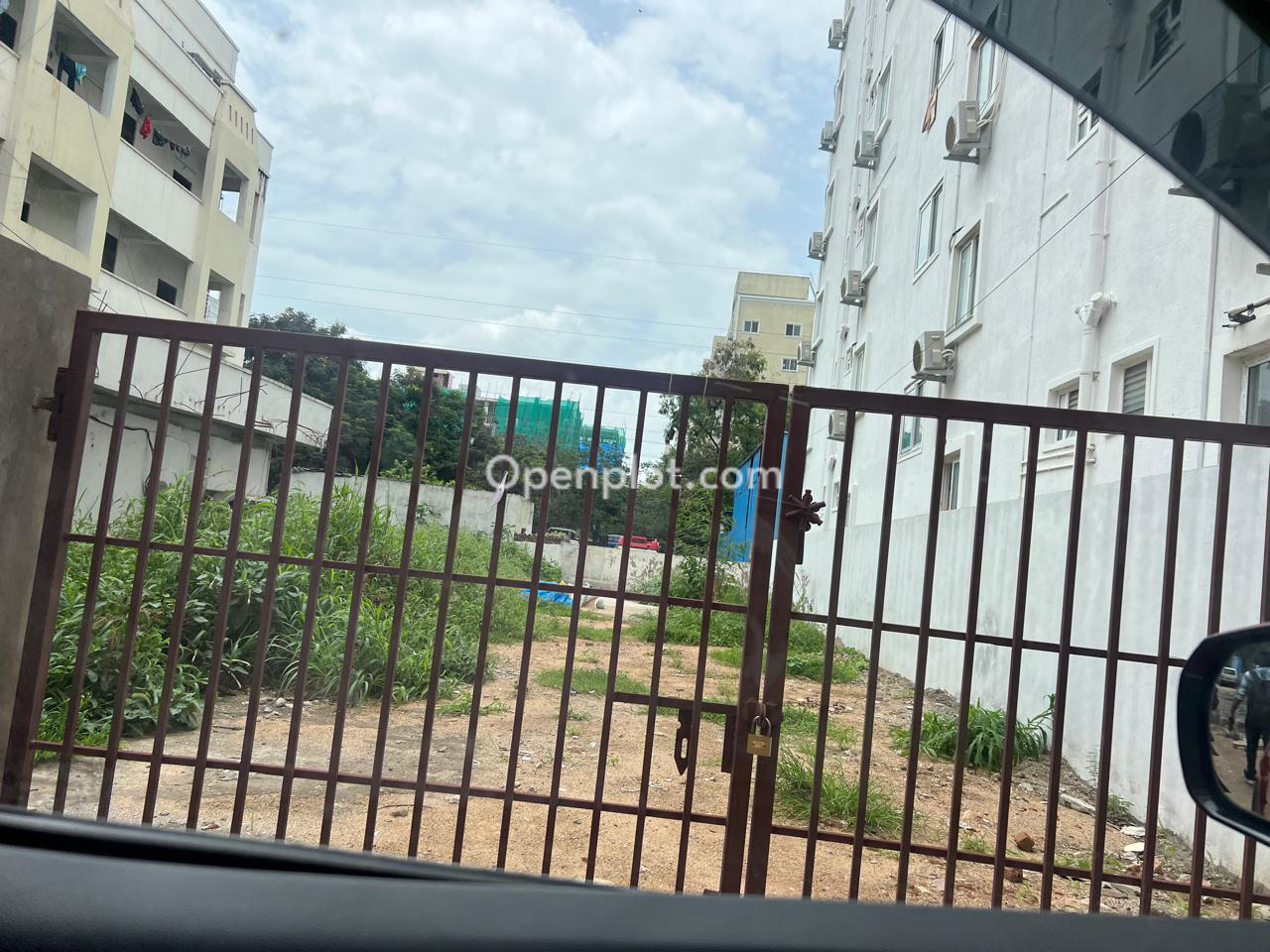
Plot for Sale in Kondapur,Hyderabad
₹7 Cr @ Rs 1.4 L/- per sqyd
Description : Plot for sale! Plot 837 Ayyap...
arrow_drop_down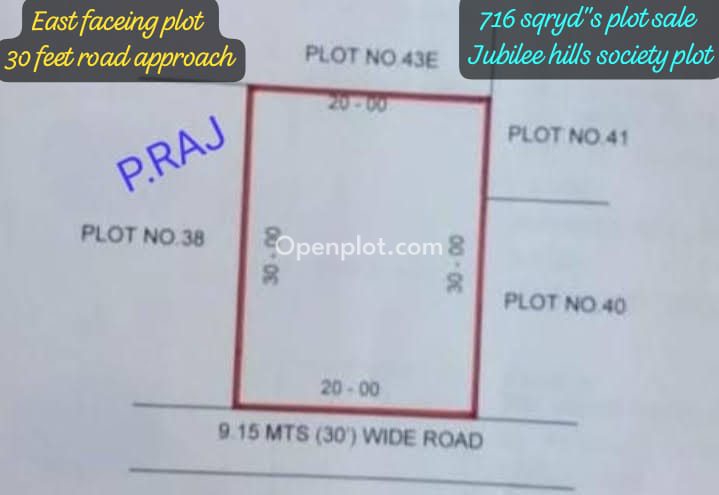
Plot for Sale in Jubilee Hills,Hyderabad
₹21.48 Cr @ Rs 3 L/- per sqyd
Description : 🎍 JUBILEE HILL"S 🎍 ...
arrow_drop_down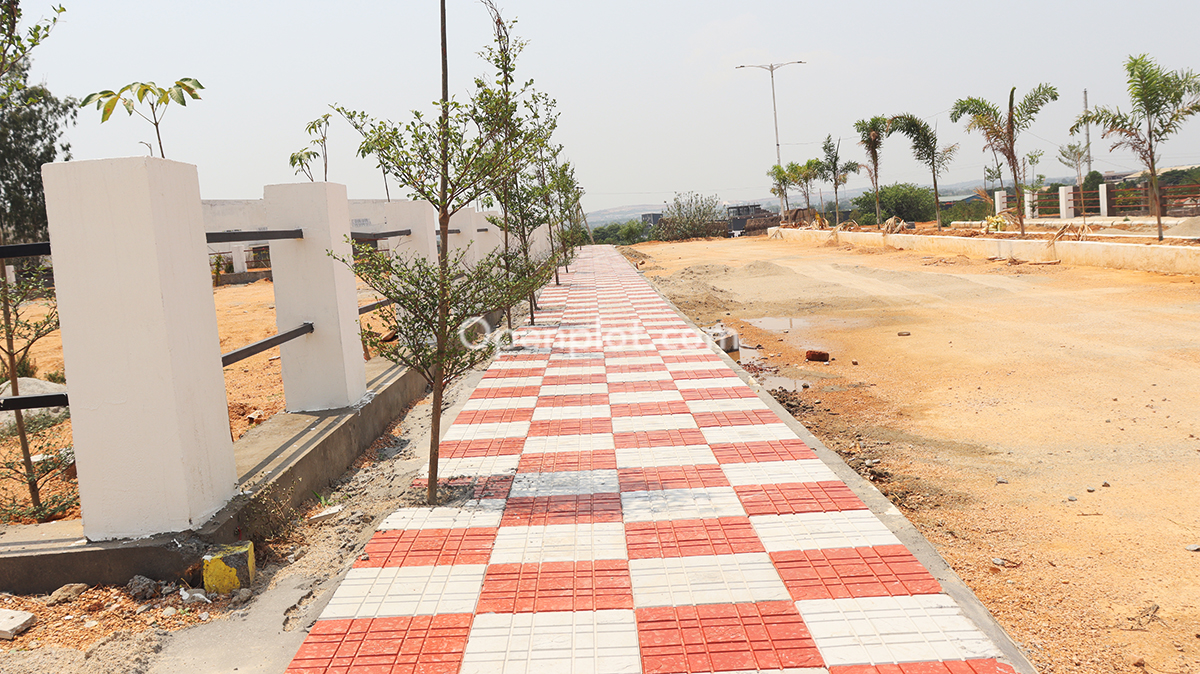
Plot for Sale in State Bank Of Hyderabad,Hyderabad
₹30 L @ Rs 20 K/- per sqyd
Description : Hyderabad Plots, Plots For Sal...
arrow_drop_down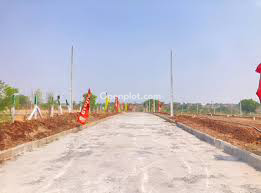
Plot for Sale in State Bank Of Hyderabad,Hyderabad
₹27 L @ Rs 15 K/- per sqyd
Description : plots for sale in Hyderabad, P...
arrow_drop_down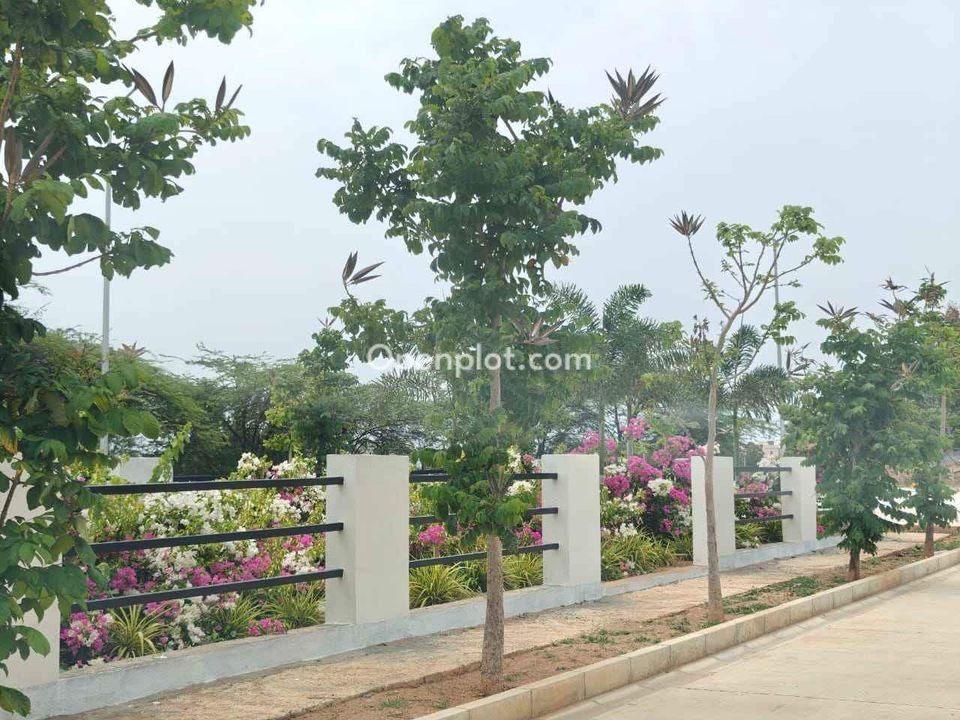
Plot for Sale in Hyderabad GPO,Hyderabad
₹45.75 L @ Rs 22 K/- per sqyd
Description : For More Details & Site Visit ...
arrow_drop_down
Plot for Sale in Gachibowli,Hyderabad
₹35.2 L @ Rs 22 K/- per sqyd
Description : Fully Developed Gated Communit...
arrow_drop_down
Plot for Sale in Gachibowli,Hyderabad
₹33 L @ Rs 22 K/- per sqyd
Description : Fully Developed Gated Communit...
arrow_drop_down.jpeg "Plot for Sale in Gachibowli,Hyderabad | Openplot")
Plot for Sale in Gachibowli,Hyderabad
₹50 L @ Rs 25 K/- per sqyd
Description : Fully Developed Gated Communit...
arrow_drop_down
Plot for Sale in Gachibowli,Hyderabad
₹38.28 L @ Rs 29 K/- per sqyd
Description : Free Transport Provided for s...
arrow_drop_down
Plot for Sale in Gachibowli,Hyderabad
₹39 L @ Rs 21.7 K/- per sqyd
Description : Fully Developed Gated Communit...
arrow_drop_downPlots for Sale in Hyderabad
Plots for Sale in Hyderabad (16 listings)
Hyderabad has been growing steadily for over two decades, and that growth has not stopped. The IT sector keeps pulling professionals from across the country. New office parks keep coming up along the ORR belt. And as the city expands, land in the right locations keeps getting harder to find.
That is why plots for sale in Hyderabad attract serious buyer interest across different budgets and goals. Some people want to build their own house without the constraints of an apartment floor plan. Some are parking money in land and waiting for the locality to develop. Some are buying now because they have seen what happened to prices in areas like Tellapur and Kokapet after infrastructure arrived, and they do not want to miss the next one.
Whatever the reason, buying a plot is a different decision from buying a flat. There is no possession date to track, no builder to follow up with, and no sample flat to visit. What you are buying is land, and the work of verifying it falls almost entirely on you.
That is not a reason to avoid plots. It is a reason to go in with the right information.
What Kind of Plot Are You Actually Buying?
This is the first question most buyers skip, and it creates real problems later. Not all plots in Hyderabad have the same legal standing. The type of approval behind a plot determines whether you can build on it, finance it, and sell it without complications.
Here is a simple breakdown:
- HMDA-approved layouts are sanctioned by the Hyderabad Metropolitan Development Authority. These come with approved road widths, drainage plans, and utility provisions. They are the cleanest category for buyers in terms of legal clarity and resale ease.
- DTCP-approved layouts are approved by the Directorate of Town and Country Planning, typically for areas outside HMDA's direct jurisdiction. These are legally valid. Buyers just need to confirm which authority applies to the specific plot's location.
- RERA-registered plotted communities are organised developments where the developer has registered the project under RERA Telangana. For new plotted developments sold by builders, this is worth checking specifically on the RERA Telangana portal.
- Gram Panchayat layouts exist in areas under village-level governance. Some are perfectly legitimate. Others have land conversion or title issues that show up only when you try to build or sell. These need more careful scrutiny.
- Venture plots is a term developers use loosely. It says nothing about approval status. If someone is selling you a "venture plot," your first question should be which authority approved it and what the approval number is.
Knowing which category you are dealing with tells you exactly what documents to ask for and what risks you are managing.
Where Are People Actually Buying Plots in Hyderabad?
Demand for plots is not spread evenly across the city. It usually concentrates around infrastructure projects, highways, ring roads, and major employment hubs. Here is where serious buyers are currently focusing their attention:
The ORR Belt — Tellapur, Narsingi, Kokapet, Patancheru
The Outer Ring Road changed the way people think about distance in Hyderabad. Localities that felt too far from the city five years ago are now perfectly practical commutes to the Financial District or HITEC City. Plots within three to five kilometres of an ORR interchange point hold commute value regardless of how the city grows around them.
Tellapur and Narsingi have seen a lot of plotted development alongside apartments. Kokapet continues to attract premium buyers. Patancheru suits buyers connected to pharmaceutical and industrial clusters on the northwestern side.
One important caveat is that daily infrastructure in some parts of this belt, including retail shops, clinics, and schools, has not fully caught up with residential growth yet. For buyers planning to build and move in immediately, this gap can be significant. For investors with a long term holding period of five years or more, the situation is likely to improve as the area develops further.
The Airport Corridor — Shamshabad, Adibatla
The airport is a permanent anchor. Employment around airport corridors tends to grow steadily, and Hyderabad is no exception. Shamshabad and Adibatla have consistent plot buyer interest from people expecting long-term appreciation tied to airport-linked jobs and developing IT parks along this stretch.
The RRR Corridor — Sangareddy, Chevella, Bhongir, Gajwel
The Regional Ring Road is where patient investors are looking. Interchange points in Sangareddy, Chevella, Bhongir, and Gajwel are attracting buyers with five to ten year hold timelines. These are not quick appreciation plays. Daily amenities in most of these areas are still thin. But as the RRR becomes fully operational, the logic of being near a major interchange becomes harder to ignore.
NH-44 and NH-65 Corridors
National highway belts around Hyderabad have historically converted from agricultural and industrial land into residential clusters over time. Plots along these corridors attract buyers who want lower entry prices with long-term upside tied to highway-linked development.
What Actually Determines Long-Term Plot Value in Hyderabad
Buyers who focus only on the current price often miss the factors that actually drive appreciation. Here is what has consistently mattered in Hyderabad's land market:
ORR or RRR interchange proximity: Plots within three to five kilometres of a ring road interchange hold commute relevance as the city grows. This is structural. It does not go away.
Distance to employment nodes: HITEC City, Gachibowli, the Financial District, Kokapet. The closer a plot is to where people work, the wider the audience for what eventually gets built on it.
Metro access: Not every ORR-side locality has metro connectivity, but the ones that do attract a broader tenant and buyer base, including professionals who do not own vehicles.
Visible infrastructure activity nearby: Road widening projects, hospitals under construction, schools, and commercial development. These signals tell you whether a locality is genuinely on a development path or just being marketed as one.
What to Check Before You Buy: The Non-Negotiable Checklist
Most buyers spend more time comparing plot sizes than they do on the legal basics. The size can be a factor in negotiation. The following cannot be fixed after a purchase is made.
Land use conversion status: Agricultural land cannot be used for residential construction until it has been formally converted. This status appears in revenue records. Verify it before any payment, not after.
Encumbrance certificate for at least 30 years: This document from the Sub-Registrar's office shows all registered transactions on the land — loans, mortgages, transfers — over a specified period. Get it directly from the office. Do not accept the seller's copy as the only version.
Layout approval from HMDA or DTCP: Without this, you may not be able to get a building permit when you are ready to construct. Verify the approval number directly with the authority, not just from the developer's brochure.
Title deed history going back 30 to 40 years: A property lawyer goes through this to confirm there are no disputes, family partition complications, or government acquisition issues affecting the land. The cost of this review is small compared to the cost of a title problem.
Physical measurement of the plot: Check that the actual plot dimensions on the ground match what the documents say. Discrepancies are easier to catch before signing than after.
Road access confirmation: The road leading to your plot should be a legally recognised public road with a proper road number in the sanctioned layout plan. Informal pathways can be blocked or disputed.
Note: The checks listed above reflect standard due diligence practice in Telangana. Specific transactions may require additional verification depending on the plot's history and location. Always consult a qualified property lawyer before making any payment.
How Plot Registration Works in Hyderabad
Understanding this process helps you plan the timeline and avoid budget surprises.
Step 1 — Due diligence first: Revenue records, approval status, and encumbrance certificate. Everything gets verified before any payment is made.
Step 2 — Sale agreement: A formal contract between buyer and seller recording the price, payment terms, and timeline. Stamp duty on the agreement is small but required. Legal verification should be complete before you sign this.
Step 3 — Registered sale deed: Executed at the Sub-Registrar's office with buyer, seller, and two witnesses. This is when the main registration costs are paid.
Step 4 — Mutation: After registration, you update the revenue records at the local tahsildar's office or through Mee-Seva to reflect the new ownership. Do this promptly after registration. It matters for property tax, utility connections, and future resale.
What does registration actually cost?
In Telangana, the total registration-related expenses for plots for sale in Hyderabad typically include:
- Stamp duty: approximately 4% of the higher of transaction value or government guideline value
- Registration fee: approximately 0.5%
- Transfer duty: approximately 1% to 1.5%
Total closing cost is usually around 5.5% to 6% of the plot value. Build this into your budget from day one.
Note: These percentages are based on the current Telangana registration framework and may change with government revisions. Verify applicable rates before finalising your purchase budget.
Why Plots Make Sense for Certain Buyers in Hyderabad
Plots are not for everyone. But for the right buyer, they make a lot of sense.
If you want to build your own home: A plot gives you complete control over design, layout, construction quality, and timeline. You are not stuck with what a developer decided was a reasonable kitchen size.
If you are investing long-term: Land in the right corridor appreciates as infrastructure arrives. The holding cost is low — mainly just property tax. There are no maintenance charges, no corpus fund, no society disputes.
If you are not ready to build yet: You can lock in a location while prices are lower and build when it financially makes sense. That flexibility does not exist with an apartment purchase.
If you have been watching what happened in Tellapur and Kokapet: Those localities appreciated significantly once ORR access made them practical commute options. The same logic is now playing out in RRR-corridor areas. Buyers who understand the cycle are positioning themselves accordingly.
Practical Advice for First-Time Plot Buyers
Get a property lawyer before you pay anything.
Not after. The legal review cost is a fraction of what a title problem costs to unwind. This is especially important outside established HMDA-approved layouts where documentation quality varies a lot.
Get documents from the source, not the seller.
Encumbrance certificate and revenue records from the Sub-Registrar's office directly. The seller's copies may be accurate. They may also be incomplete.
Visit the plot and its surroundings on a normal day.
Not during a builder-arranged site visit. Walk around. See what the roads are actually like, how far the nearest shop is, and whether the area has any real daily activity. A plot with a credible development story nearby is a reasonable hold. One with no visible activity and no clear demand driver is a different risk.
Know what you are allowed to build before you buy.
Check the floor area ratio for the applicable zoning and the setback requirements on all sides. These rules determine how much of your plot you can actually build on.
Add up the full cost before deciding.
Headline plot price plus registration charges, legal fees, boundary wall, site levelling, and utility connection costs. Buyers who calculate the total picture early make much better decisions than those who discover costs as they go.
Frequently Asked Questions
What is the first thing I should check when looking at plots for sale in Hyderabad?
Start with three things before anything else: layout approval status from HMDA or DTCP, land conversion from agricultural to residential in revenue records, and a clean encumbrance certificate for at least 30 years. These three together give you the legal baseline. Everything else — price, location, size — comes after you confirm these basics. Buyers who start with the sales pitch and end with the documents often find problems after they have already committed emotionally to a plot.
What is the difference between an HMDA-approved and DTCP-approved layout?
HMDA approves layouts within the Hyderabad Metropolitan Development Authority's jurisdiction, which covers the core city and the surrounding metropolitan area. DTCP approves layouts in areas outside HMDA's zone but within Telangana's planning framework. Both are formal government approvals. Which one applies depends on where the plot is located. Buyers should verify the approval number directly with the relevant authority, not just take the developer's word for it.
Does RERA apply to plotted developments in Hyderabad?
Yes. Organised plotted developments in Telangana that meet the registration threshold are required to be registered under RERA Telangana. You can check any project on the RERA Telangana portal using the project name or registration number. Individual resale plots in older approved layouts may not have a separate RERA registration. But if a developer is actively marketing a new plotted community, check for RERA registration before paying any booking amount.
What documents do I need to verify before buying a plot in Hyderabad?
The essential documents include:
- Original title deed
- Encumbrance certificate for at least 30 years
- Layout approval from HMDA or DTCP
- Land use conversion records showing residential status
- Approved survey plan with your specific plot number
- Property tax receipts
For new plotted communities, also check the RERA registration certificate. A property lawyer reviewing all of this before any payment is made is not optional — it is the most important step in the process.
What are the registration charges when buying a plot in Hyderabad?
In Telangana, the total registration cost for a plot purchase typically works out to around 5.5% to 6% of the plot value. This includes:
- Stamp duty: approximately 4%
- Registration fee: approximately 0.5%
- Transfer duty: approximately 1% to 1.5%
These are paid at the Sub-Registrar's office when the sale deed is executed. Include this in your budget from the beginning because it is a significant additional cost on top of the plot price.
Note: Rates are based on the current Telangana framework and may be revised. Verify current rates before finalising your budget.
What is an encumbrance certificate and why does it matter?
An encumbrance certificate shows all registered transactions linked to a plot over a specific period, including loans, mortgages, and ownership transfers. It helps confirm whether the seller has the legal right to sell the property and whether the land carries any hidden financial liabilities. Always obtain the certificate directly from the Sub Registrar's office for at least the last 30 years instead of depending only on the copy provided by the seller.
Can I buy agricultural land for residential use on Hyderabad's outskirts?
Not without a formal land use conversion. Agricultural land must be officially converted to non agricultural residential status before it can be used for construction. Buying unconverted land and building on it creates legal problems that are often expensive and difficult to resolve. Before purchasing any plot on Hyderabad’s outskirts, verify the current land classification in revenue records and confirm that the conversion process is fully completed. You should also check whether the layout already has HMDA or DTCP approval, since these approvals generally include the required land conversion process as part of development clearance.
What is mutation and when should I do it after buying a plot?
Mutation is the process of updating land revenue records to reflect the new owner's name after the registered sale deed is executed. It is completed through the local tahsildar's office or the Mee-Seva portal in Telangana. Mutation does not transfer ownership because the registered sale deed already establishes legal ownership. However, mutation is important for property tax payments, utility connections, and maintaining clear ownership records. It is advisable to complete the mutation process soon after registration instead of leaving it pending.
What plot sizes are commonly available in Hyderabad's approved layouts?
Sizes vary significantly by locality and project type:
- Mid-range plotted communities: commonly 100 to 200 square yards
- Premium ORR-side communities: often 200 to 400 square yards
- Urban infill areas: sometimes 60 to 100 square yards, with construction constraints
Remember that setback requirements on all sides of the plot reduce the actual buildable area from the gross plot dimensions. Factor this in when evaluating whether a plot size works for what you want to build.
How does the Outer Ring Road affect plot values in Hyderabad?
The ORR is the single biggest infrastructure driver of plot demand in Hyderabad's peripheral localities. Plots within three to five kilometres of a functioning ORR interchange retain practical commute access to major employment hubs like the Financial District and HITEC City. Tellapur is the clearest example of a locality transformed by ORR access. That infrastructure is permanent. The commute advantage it provides does not depreciate, which is why ORR proximity remains one of the most durable location signals for plots for sale in Hyderabad.
Are RRR-corridor plots a good investment right now?
They can be, with realistic expectations. Plots near confirmed RRR interchange points in Sangareddy, Chevella, Bhongir, and Gajwel have genuine long-term relevance as Hyderabad grows outward. But these are five to ten year holds, not short-term plays. Daily infrastructure is still thin in most of these areas. Buyers who go in with confirmed approvals, a clean title, and a realistic hold period are in a defensible position. Buyers expecting quick returns will likely be disappointed.
What hidden costs should I account for when buying a plot?
Beyond the plot price and registration charges, budget for:
- Property lawyer fees for document verification
- Boundary wall construction
- Site levelling and preparation
- Utility connection charges (electricity, water)
- Development charges in some layouts
Interior expenses do not apply to a raw plot, but site development costs are consistently underestimated by first-time buyers. Get quotes for these before finalising your total budget.
How do I spot an unauthorised plot layout in Hyderabad?
Warning signs include:
- No verifiable HMDA or DTCP approval number
- The seller cannot produce the original layout approval documents
- Revenue records still show the land as agricultural
- Internal roads do not match any sanctioned plan
- The developer avoids direct questions about the approving authority
Any one of these is reason to pause. Multiple times is reason to walk away without a second thought.
What floor area ratio rules apply to residential plots in Hyderabad?
Floor area ratio (FAR) determines how much built up area you are allowed to construct on a given plot based on its size and zoning classification. HMDA building regulations govern this for most plots within the metropolitan area. Setback requirements, which are mandatory open spaces on all four sides, further reduce the actual buildable footprint. Before buying a plot based on a specific construction plan, verify the applicable FAR and setback rules for that particular zoning category. Discovering construction limitations after purchase can become a costly and avoidable problem.
What is the difference between a sale agreement and a registered sale deed?
A sale agreement is a contract between buyer and seller recording the agreed price, payment terms, and timeline. It is signed with an advance payment before the final registration. A registered sale deed is the document that actually transfers legal ownership, executed at the Sub-Registrar's office. All document verification should be complete before signing the sale agreement and paying any advance — not after. Treating the agreement stage as the starting point for due diligence rather than the conclusion of it is one of the most common mistakes in plot transactions.
Can I get a loan to buy a plot in Hyderabad?
Yes, but the terms are different from apartment home loans:
- Loan-to-value ratios are typically lower for plots, meaning you need more of your own funds upfront
- Most lenders require the plot to be in an approved layout with clean title
- Some lenders offer combined plot-plus-construction loans
Check your financing options and required down payment before committing to a plot purchase. The upfront capital requirement is often higher than first-time buyers expect.
What is the guideline value, and how does it affect what I pay?
The guideline value is the minimum government assigned value for properties in a specific area and is used to calculate registration charges. If the actual transaction price is higher than the guideline value, which is common in active real estate corridors, registration charges are calculated based on the higher amount. Buyers purchasing plots in areas where market prices are significantly above guideline values should estimate registration costs using the actual transaction value instead of assuming the guideline rate will apply.
How should I compare two plots in different localities?
Look at:
- Total transaction cost including registration, not just the headline plot price
- Approval status of both layouts — verified independently
- Physical access road quality and legal status
- Distance to your workplace or an employment hub
- Current daily infrastructure availability vs. what is still "coming soon"
- Title clarity based on a lawyer's review
If one plot is cheaper but in an unapproved layout with murky title, the price difference reflects real risk. It is not a bargain.
How does road width in front of a plot affect construction eligibility?
HMDA building regulations specify minimum road widths required for different types of building permits. Plots fronting narrower internal roads may face restrictions on building height or total construction. In some cases, a below-standard road width means the building plan approval cannot be issued at all. Check the road width in the sanctioned layout plan and compare it against the applicable building regulations before buying, especially if you have a specific construction plan in mind.
How much negotiation room is there when buying a plot in Hyderabad?
In new plotted communities, per-square-yard price is often where developers are least flexible during an active sales phase. More productive areas to negotiate include:
- Payment plan timeline and installment structure
- Corner or preferred facing premiums
- Inclusion of boundary wall or site development
- Timing of development charge payments
For resale plots, registered transaction values for comparable plots in the same or nearby layouts, available from Sub Registrar records, are your best reference point for negotiating below the asking price. Sellers whose listings have remained unsold for several months are usually more open to negotiation than sellers in fast moving micro markets where plots are selling quickly.
Discover Top Property Searches
Explore trending apartments, villas, plots, and premium properties across India’s top cities and emerging locations.