

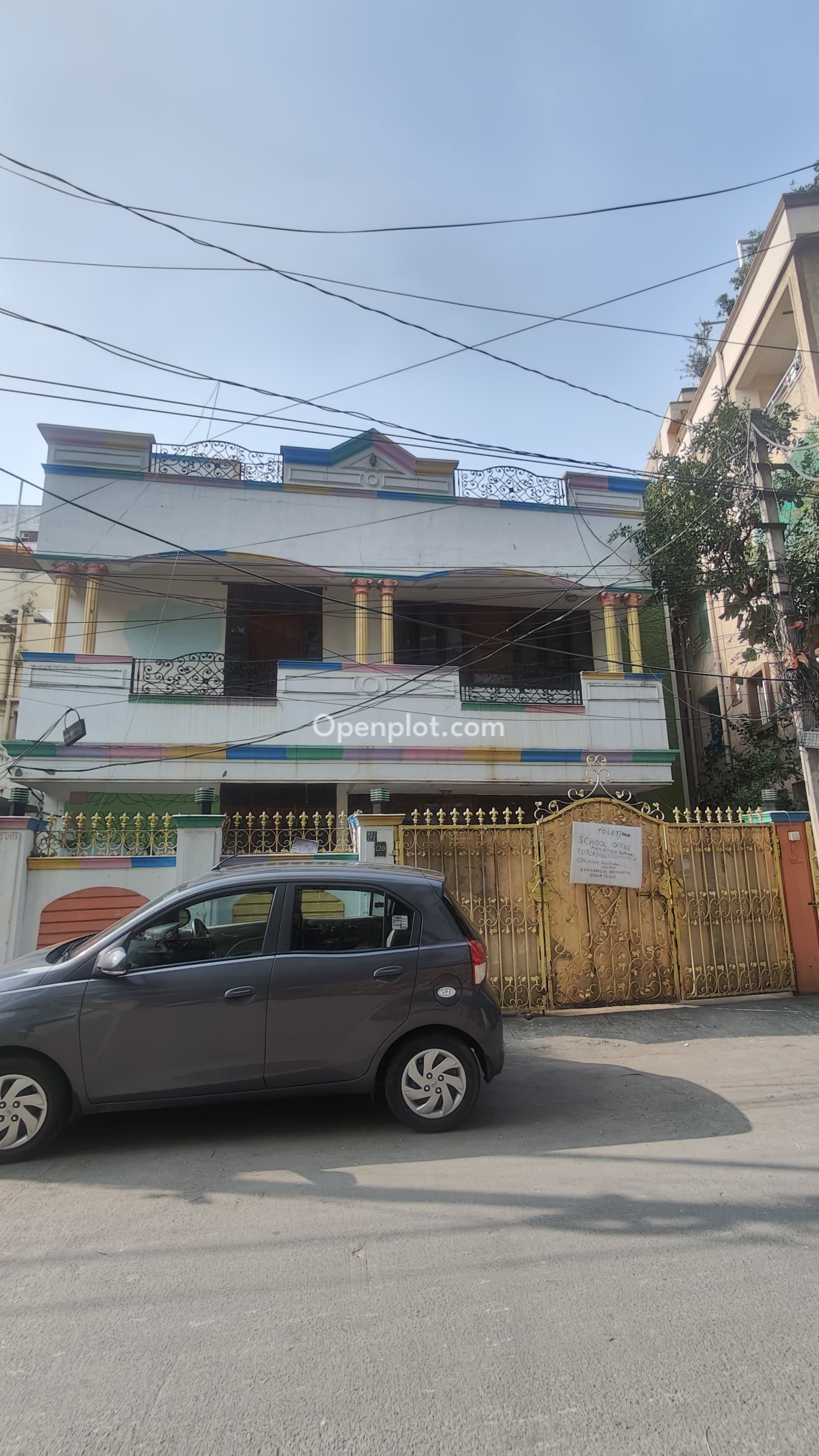
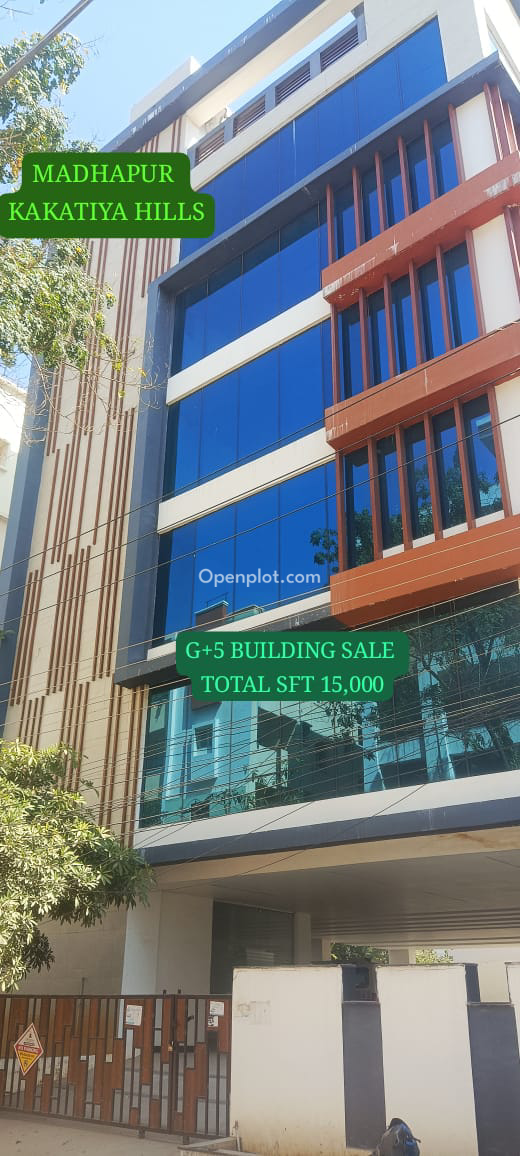
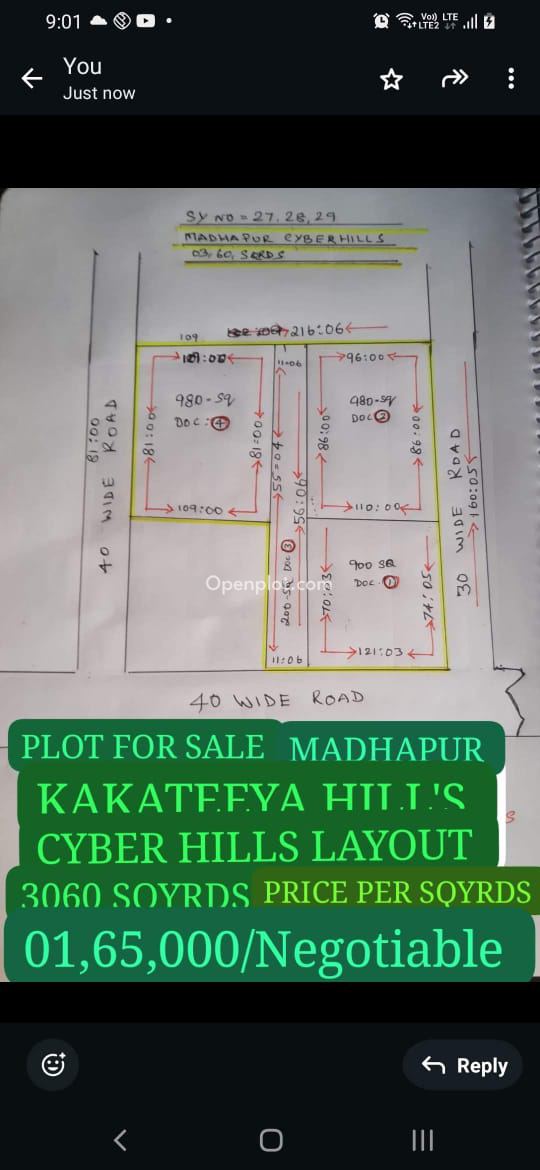
.webp "8 BHK Independent House for Sale in Sripuram Colony,Hyderabad | Openplot")
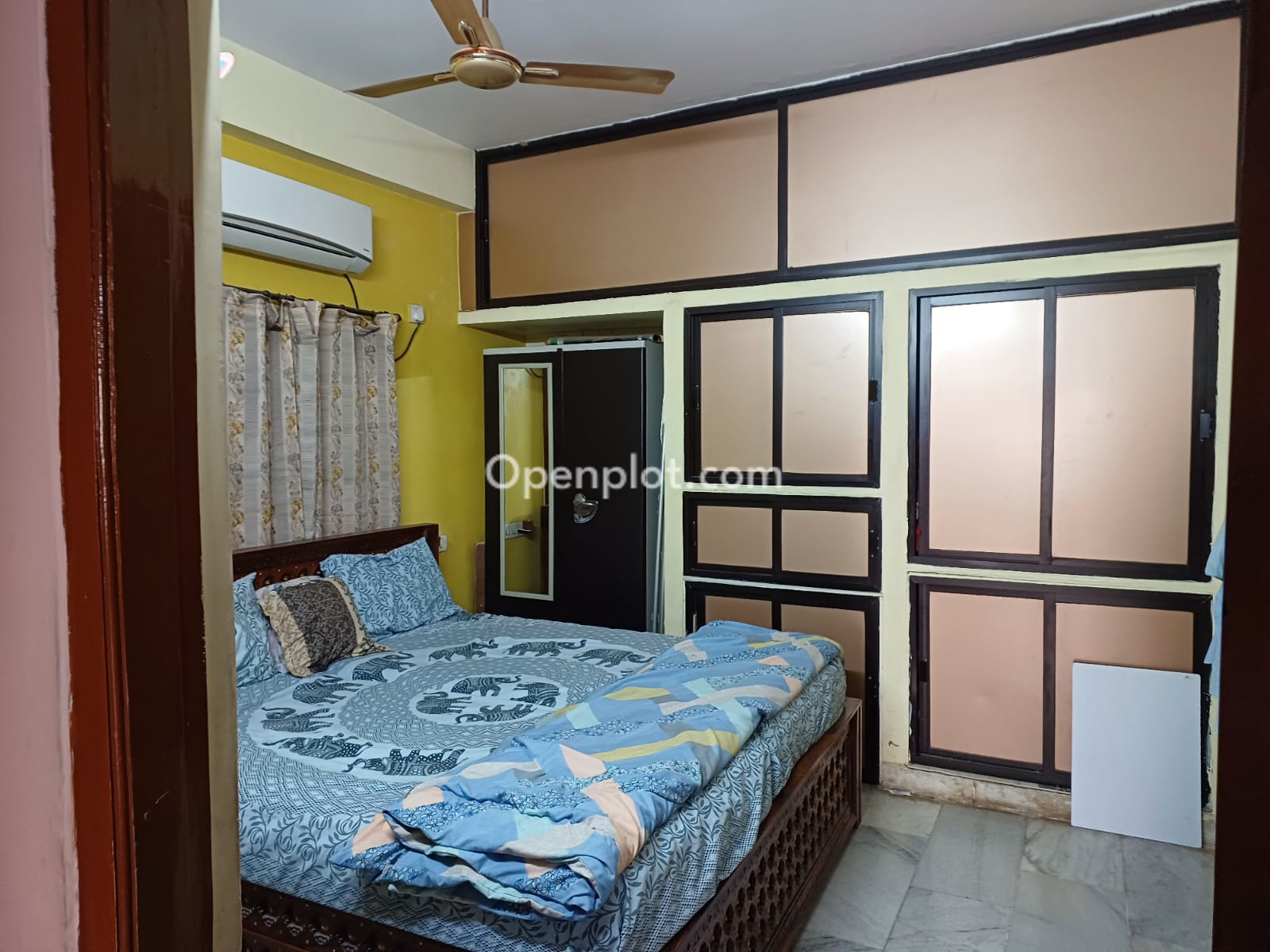
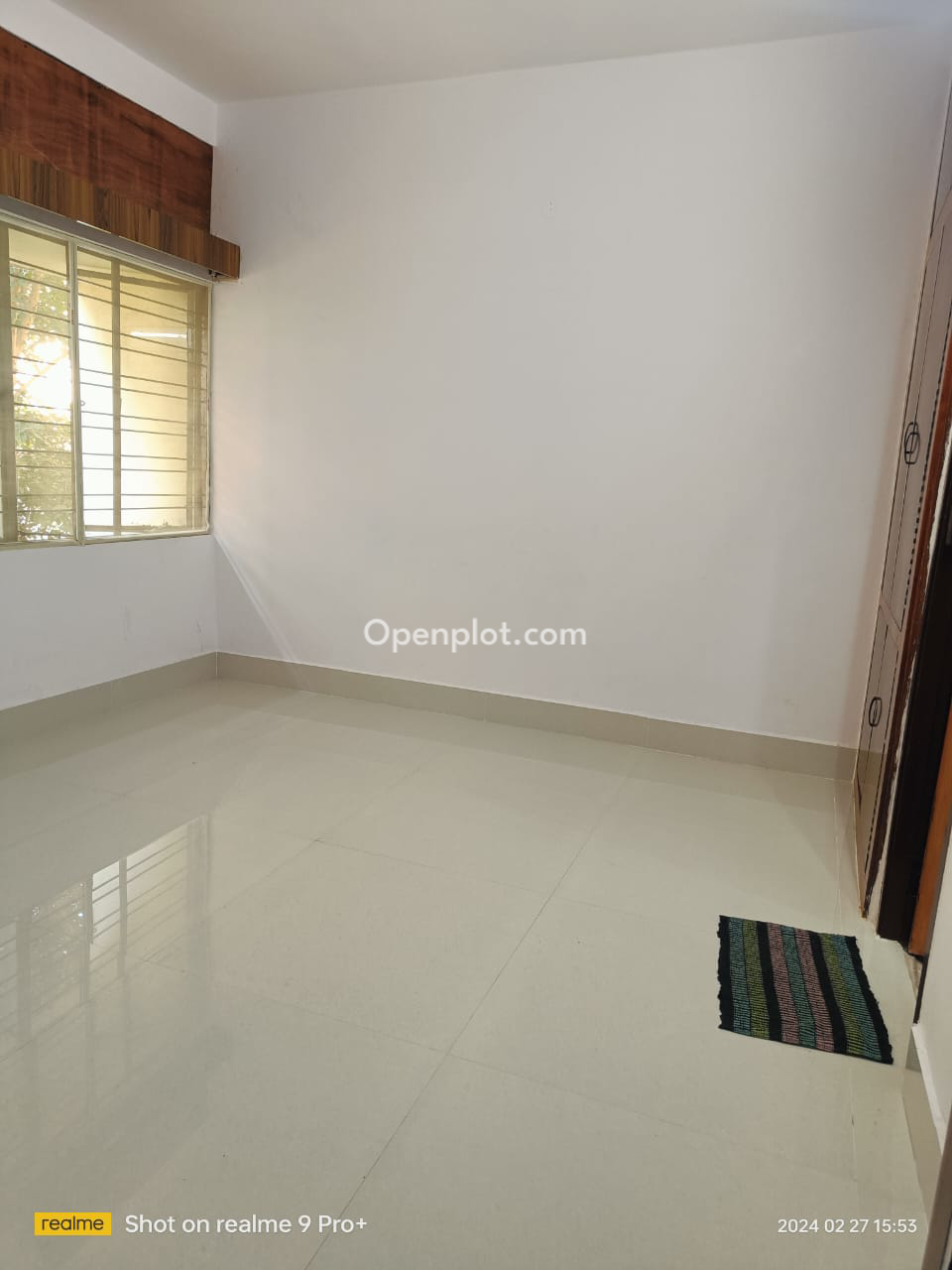
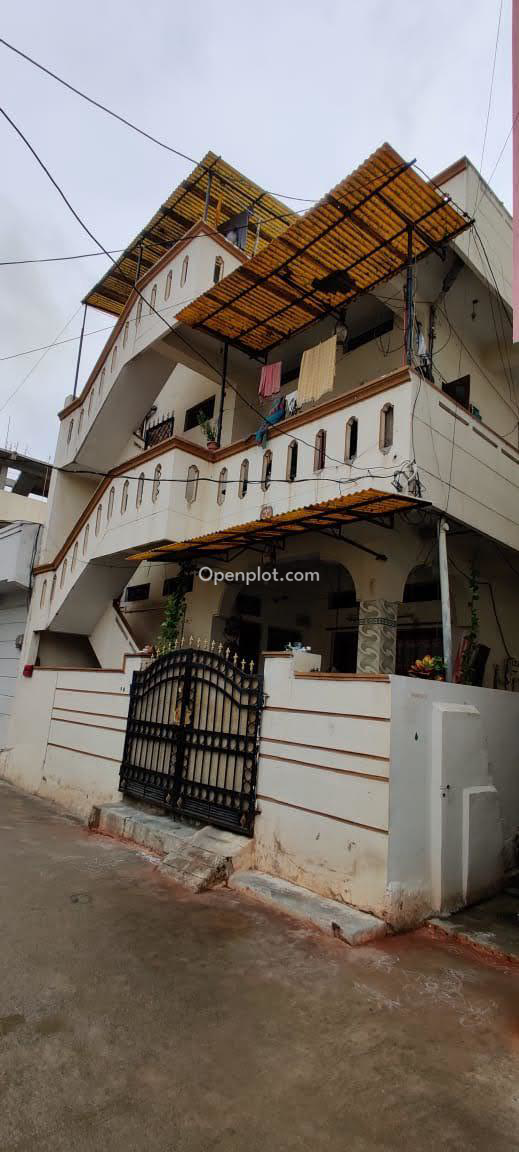
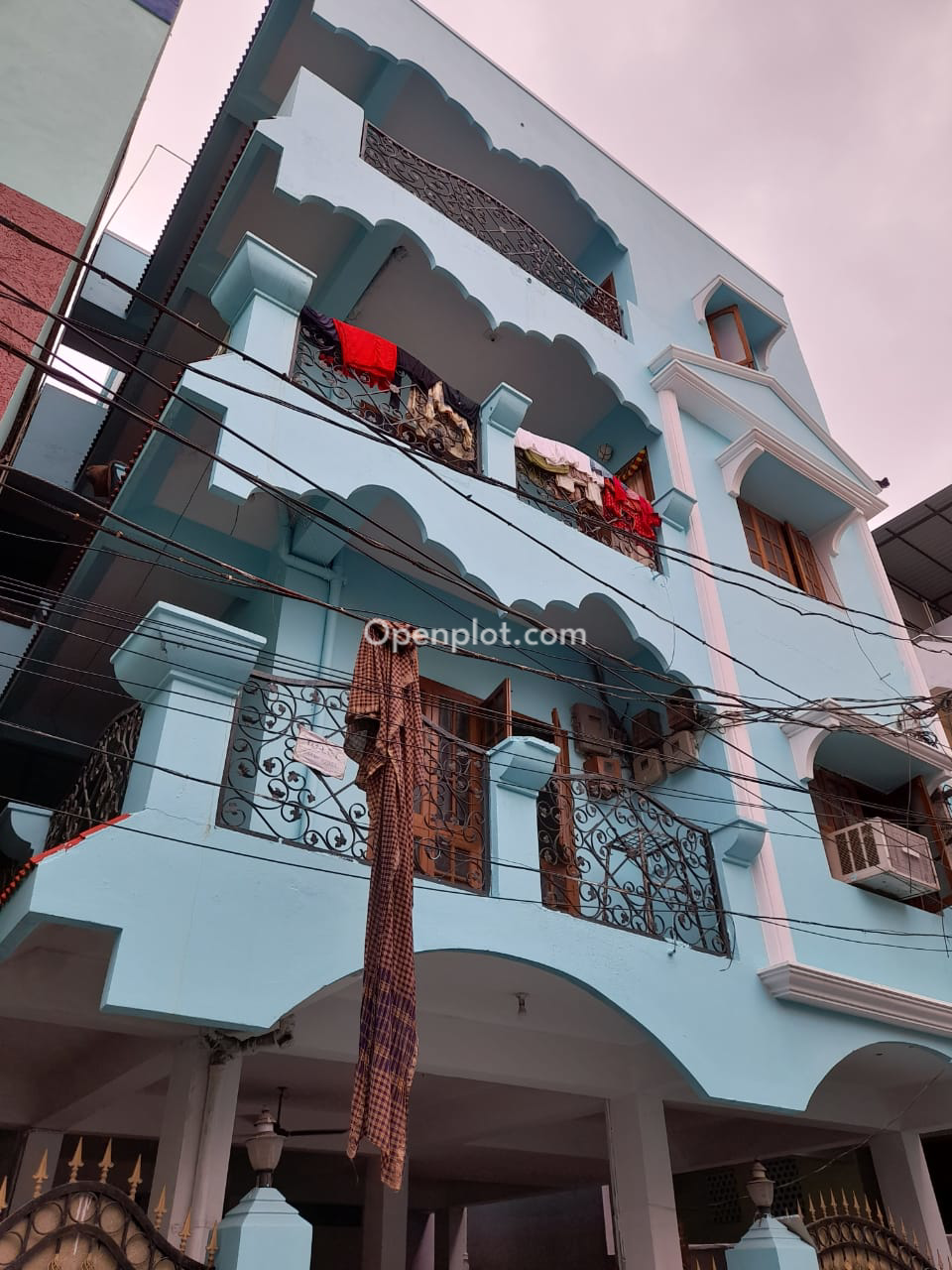



.jpeg "Plot for Sale in Gachibowli,Hyderabad | Openplot")

Type of Property
Property Category
No.of Bedrooms
Facing
Price Range
Posted by
Purchase type
Construction Status
Properties in Hyderabad
Properties in Hyderabad: A Beginner's Guide to Buying the Right Property
Hyderabad has quietly become one of the most talked-about real estate markets in India. And if you have been thinking about buying property here, you are not alone. The city has seen consistent buyer interest from working professionals, NRIs, first-time homebuyers, and long-term investors alike. But here is the thing: Hyderabad is also one of those markets where the wrong decision can cost you significantly, especially if you go in without understanding the basics.
This content is for people who are starting fresh. No jargon. No confusing legal abbreviations thrown at you without explanation. Just a clear walkthrough of what properties in Hyderabad look like, where people are actually buying, what you need to check before signing anything, and how the whole process actually works.
Why Hyderabad Still Attracts Property Buyers
Let's start with why the city draws so much attention in the first place.
Hyderabad has a mix of factors working in its favor that most Indian cities do not have together at the same time. The IT and pharma sectors have created a large salaried workforce with consistent housing demand. The city has expanded physically through infrastructure projects like the Outer Ring Road, which opened up dozens of localities that were previously too far or too disconnected to be practical for most buyers.
Property prices in Hyderabad have historically been lower than Bengaluru or Mumbai for comparable localities. That gap has narrowed in some micro-markets, but Hyderabad still offers more square footage for your budget in many areas. For buyers comparing cities, this matters.
The other factor is employment density. Areas like Gachibowli, Hitec City, Madhapur, and Kondapur have seen office supply grow significantly over the past decade. That concentration of workplaces creates a ripple effect: people want to live nearby, which drives residential demand, which sustains rental yields and long-term resale value.
None of this is a guarantee that any specific property will appreciate. But the broad structural conditions are real and worth understanding.
The Different Types of Properties Available in Hyderabad
When someone says "properties in Hyderabad," they could mean very different things. Here are the main categories you will encounter.
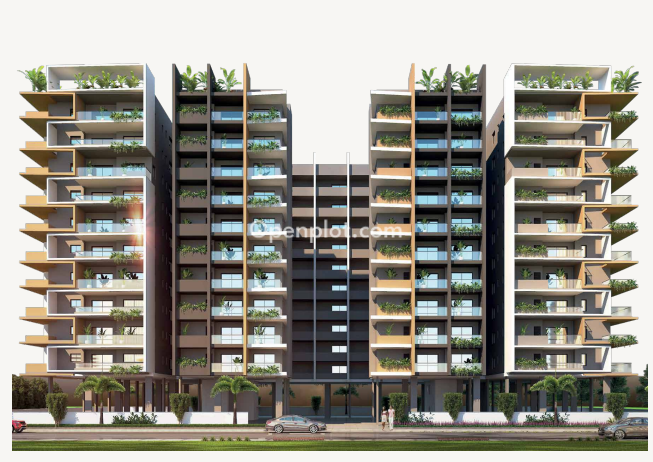
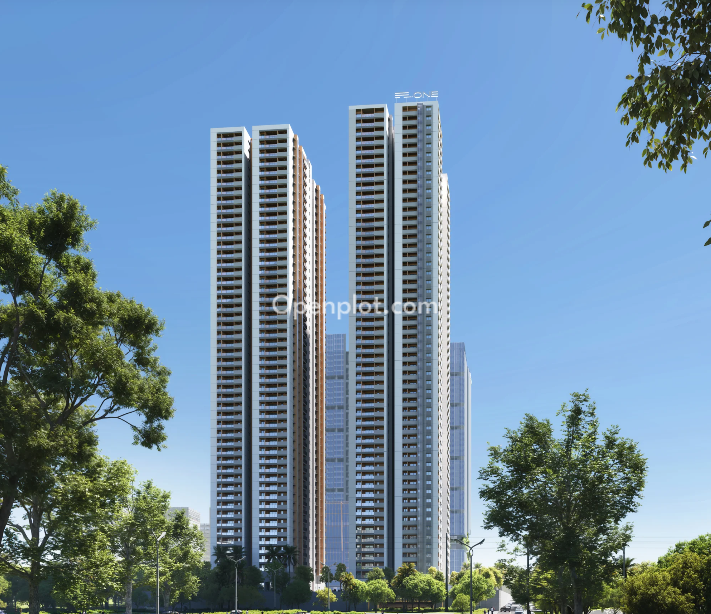
- Apartments in gated communities are the most common format buyers look at today. These are multi-floor residential buildings, usually developed by a builder, with shared amenities like a clubhouse, gym, swimming pool, and round-the-clock security. They come in 1 BHK, 2 BHK, 3 BHK, and larger configurations. In Hyderabad, the 2 BHK and 3 BHK formats dominate actual sales.
- Independent houses and villas are standalone properties, either on a plot of land you own or within a gated villa community developed by a builder. These give you more privacy and flexibility in how you use the space, but they typically come at a higher price per square foot.
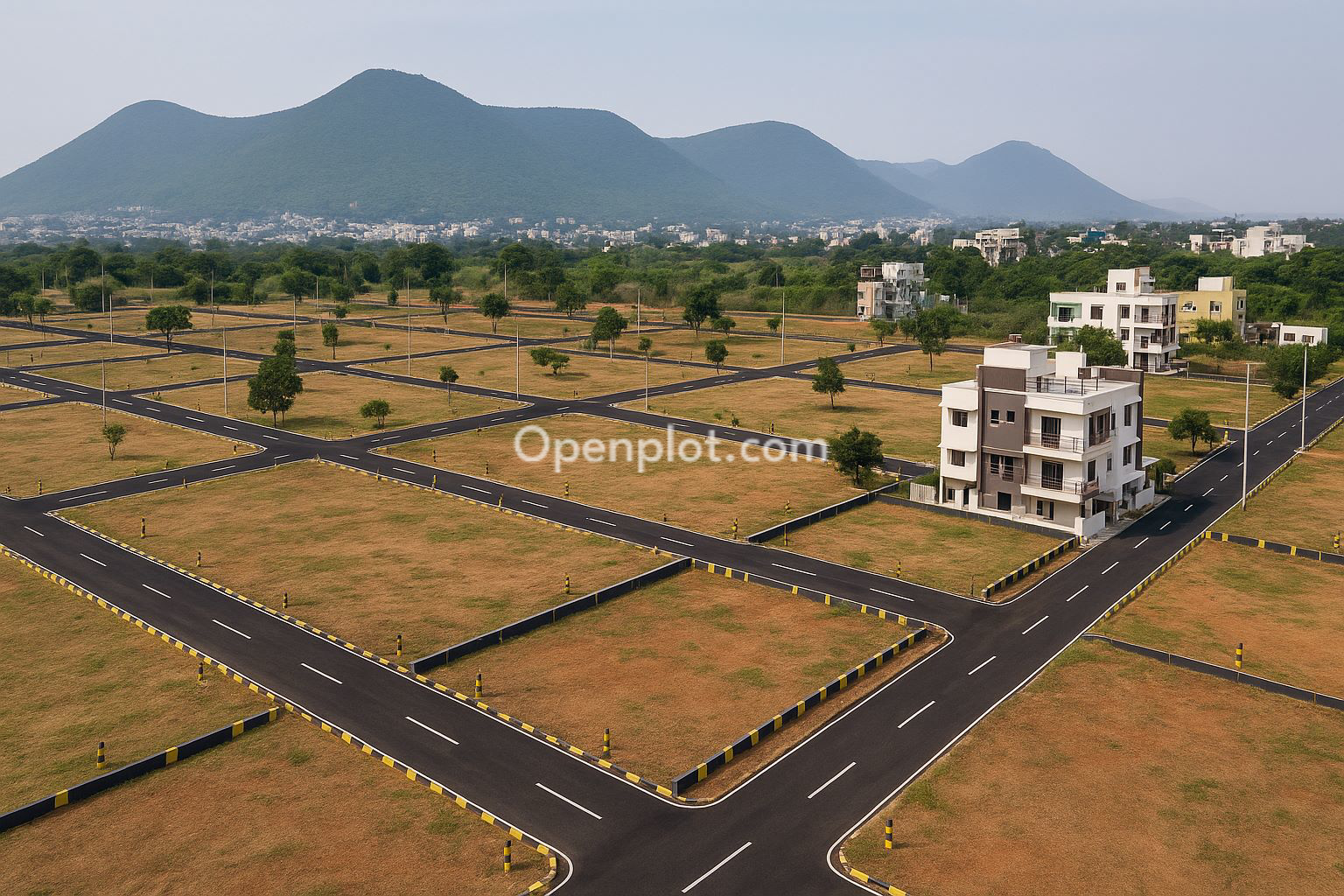
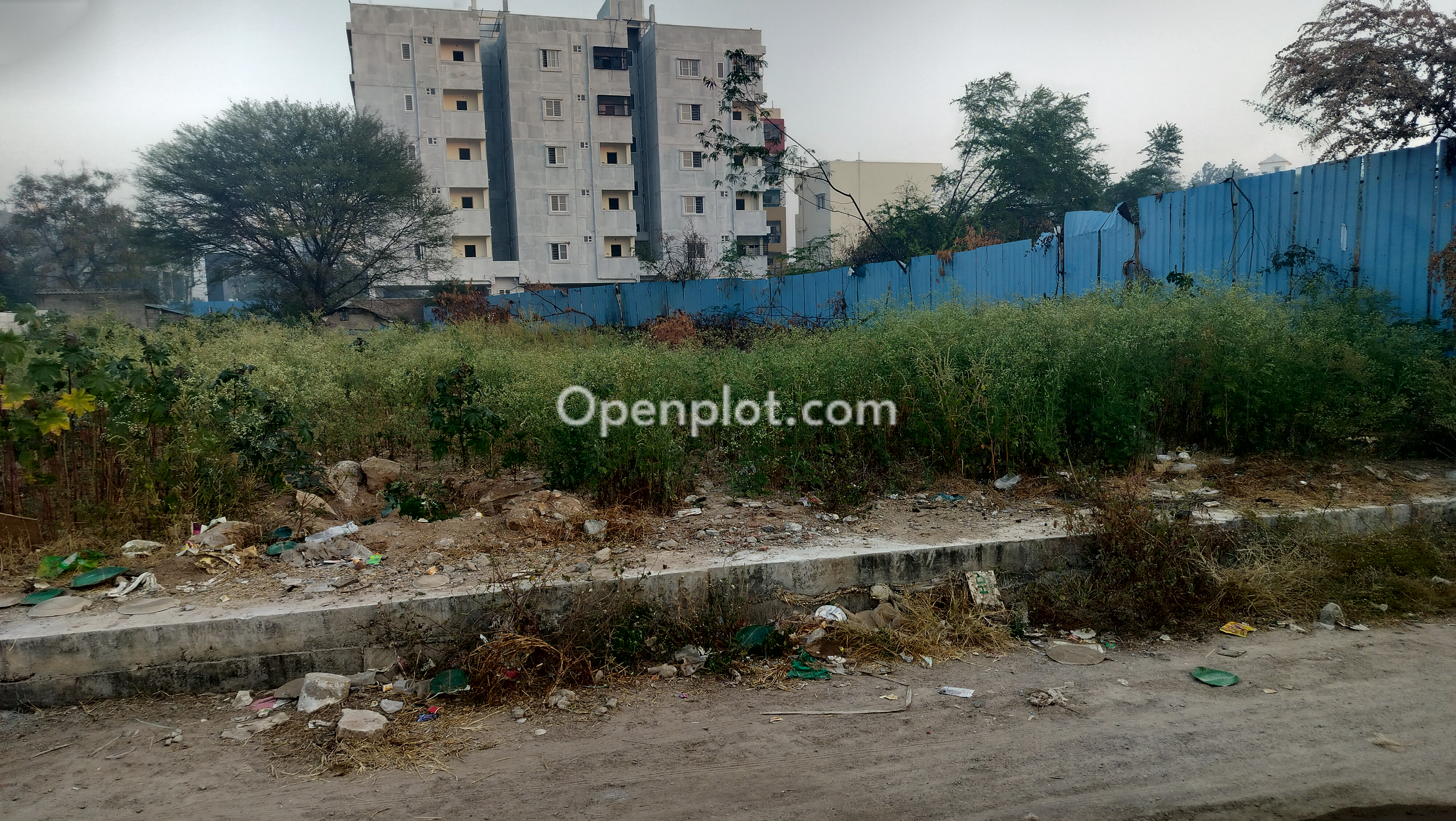
- Plots are open pieces of land that you buy to either build on later or hold as a long-term investment. Hyderabad's plot market has its own set of rules, approval types, and due diligence requirements. We cover the key checks in a later section.
- Commercial properties include office spaces, retail shops, and warehousing. These are usually bought for investment and rental income rather than personal use.
Most first-time home buyers in Hyderabad start their search in the apartment category, which is where most of the builder inventory, RERA registration, and loan-eligible supply exists.
Where Are People Actually Buying Properties in Hyderabad?
Hyderabad's geography has shaped its property market. The city does not have one central demand zone. Instead, buying activity is spread across several corridors, each with its own character.
- The western corridor, covering areas like Gachibowli, Kondapur, Manikonda, Nallagandla, and Tellapur, has the highest demand volume. This is largely because the major IT parks and tech company offices are concentrated here. Commutes are short for people working in these zones, which keeps rental demand strong. Prices here reflect that demand.
- The north-west belt, including Miyapur, Bachupally, Kukatpally, and Nizampet, offers somewhat lower entry prices than the western corridor while still providing decent connectivity via the metro and the ORR. These areas attract buyers on tighter budgets who want to be within reach of the tech employment zones.
- The airport corridor, covering Shamshabad, Adibatla, and surrounding areas, has drawn investor attention because of the employment coming from aerospace, defence, and logistics companies setting up in that belt. Infrastructure development here is ongoing.
- The north side, including Kompally, Medchal, and Shamirpet, is more peripheral but has seen residential activity from buyers looking for larger plots or more space at lower prices.
- The RRR corridor and outer areas like Sangareddy, Chevella, and Bhongir attract primarily long-term investors rather than immediate end-users, since daily commute distances make these impractical as primary residences for most working professionals.
What Determines Property Value in Hyderabad Over Time?
Buying property is a long-term decision, so understanding what drives value over time is worth the time.
Proximity to employment nodes is consistently the strongest factor. Properties within a practical commute distance from IT parks, hospitals, educational institutions, and government offices hold value better and generate more consistent rental income than those in isolated areas, regardless of how attractive the pricing seems at entry.
Infrastructure connectivity matters enormously. Being close to an ORR interchange improves access to the entire city. Metro connectivity changes the dynamics of a locality by expanding the pool of potential renters and buyers who would consider living there.
Social infrastructure, which includes schools, hospitals, and daily convenience options, is often underweighted by buyers but heavily weighted by tenants and future buyers. A locality with two decent schools, a hospital, and grocery access will always have more consistent demand than one without.
Developer reputation and project quality affect value at the micro level. Two apartments in the same locality can perform very differently based on how well the project was maintained, whether the association is functional, and whether the builder delivered what was promised.
Before You Buy: The Essential Checks for Properties in Hyderabad
This is the part most buyers skip or rush through. Do not do that.
For Apartments, check these before anything else:
- Check the RERA registration number on the Telangana RERA portal using the project name or registration number. RERA registration means the developer has disclosed the approved plan, timeline, and financials to the regulatory authority.
- For ready-to-move properties, ask for the Occupancy Certificate. The OC confirms the local authority has inspected the building and certified it as fit for occupation. Properties without an OC create problems with utilities, home loans, and future resale.
- Verify that the sale agreement clearly states the carpet area, not just the super built-up area. Carpet area is the space you actually live in. Super built-up area includes common passages, walls, and shared spaces that inflate the number.
For Plots and Independent Houses, the checks go deeper:
- Confirm land use conversion from agricultural to residential. Without this, construction is not legally permitted.
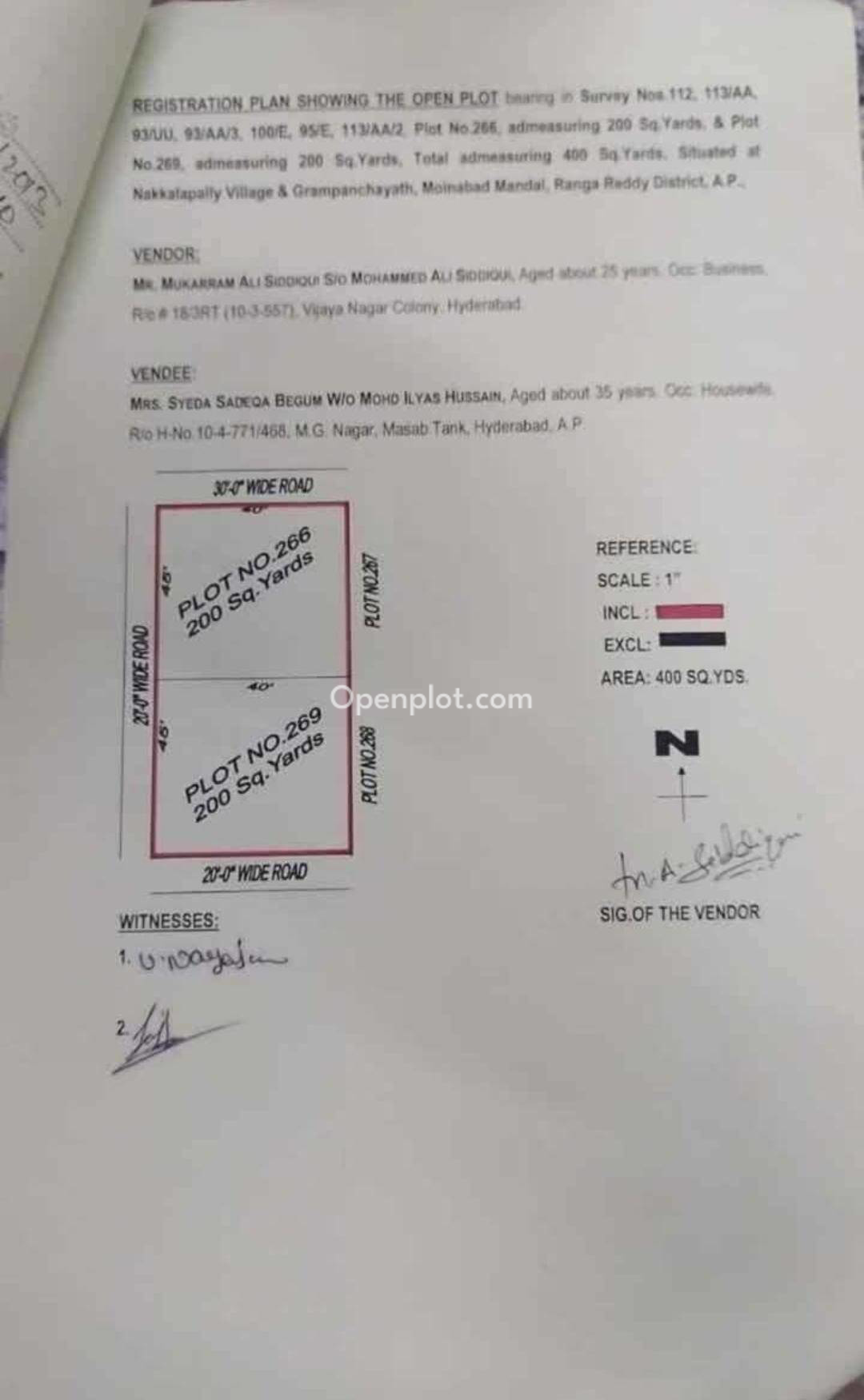
- Get the Encumbrance Certificate for at least the last 30 years. This shows whether the land carries any existing loans, legal claims, or disputes.
- Verify layout approval from HMDA or DTCP depending on the area. No approval document means the layout may be unauthorised.
- Check the title deed history going back 30 to 40 years to confirm clean ownership without gaps or disputes.
- Confirm that the plot has legal road access, not just physical access through a neighbour's land.
One rule that applies to every property type:
- Never skip the physical visit. Go on a regular weekday without the developer or broker present. Walk the roads, check the neighbourhood, and see what the area actually looks and feels like under normal conditions.
How Property Registration Works in Hyderabad
Once you have decided to buy and completed your checks, the transaction process follows a clear sequence.
The first step is the sale agreement, which is a legal document between the buyer and the seller. This records the agreed price, payment schedule, and timelines. It is typically executed on stamp paper and should be drafted carefully, preferably with a property lawyer reviewing it.
After the agreed payments are made, the registered sale deed is executed. This is the document that legally transfers ownership of the property to you. It is executed in the presence of a Sub-Registrar and requires both parties to be present. Biometric verification and identity documents are required.
Registration costs in Telangana total approximately 5.5% to 6% of the property value, spread across stamp duty at 4%, registration fee at 0.5%, and transfer duty at 1.5% for properties above a certain guideline value threshold.
After registration, the buyer needs to complete mutation, which is the process of updating the local municipal or Panchayat records to reflect the change in ownership. This is especially important for plot buyers. Mutation does not prove title on its own, but it is a necessary administrative step.
Common Mistakes First-Time Buyers Make in Hyderabad
A few patterns come up repeatedly with first-time buyers.
Going by price per square foot without looking at carpet area leads to poor comparisons. Two projects quoted at the same rate can have very different actual usable areas depending on how the builder has defined the super built-up area.
Relying only on the broker for documents is a mistake. Always request documents directly from the seller, the Sub-Registrar office, or the relevant approval authority. Brokers are intermediaries, not document custodians.
Ignoring road access. For plot buyers especially, check that the plot has legal road access, not just physical access. A plot that can only be reached by crossing someone else's land creates serious problems later.
Not accounting for total cost. The property price is not the only cost. Add registration charges, legal fees, brokerage, and for under-construction properties, GST. For plots, also account for site development costs before construction.
Buying based on future projections alone. Infrastructure projects get delayed. Employment nodes take time to develop. If you are buying in an emerging area, the fundamentals should make sense even if the anticipated development is five years away.
Is Hyderabad Right for You as a Property Market?
Hyderabad suits buyers who want a city with real employment depth, reasonable infrastructure, and a property market that has shown consistent demand over time. It is not a speculative market that will make you rich quickly. Properties here require the same careful evaluation as anywhere else.
For end-users who want a home close to their workplace, the western corridor offers good options across budget ranges. For investors who are comfortable with longer holding periods, emerging corridors along the ORR and RRR offer entry at lower prices.
The city rewards buyers who do their research, get the right documents verified, and make decisions based on real commute times and real infrastructure rather than optimistic projections.
Frequently Asked Questions
Is it better to buy a flat or a plot in Hyderabad?
This depends entirely on your situation. A flat is more suitable if you need a home now, want a loan-eligible asset, prefer low maintenance responsibility, and value gated community amenities. A plot suits buyers who want to build a custom home on their timeline, are comfortable managing construction, or are investing with a longer holding period and lower carrying cost. Plots require more due diligence upfront and are harder to liquidate quickly. Flats have more liquid resale markets in most Hyderabad localities. There is no single correct answer; the choice should match your specific financial position, timeline, and goals.
What is the right time to buy properties in Hyderabad?
Buying during a project's early launch phase often gets you a lower price, but carries construction risk. Buying a ready-to-move property costs more but eliminates that uncertainty. Interest rate cycles also matter: when home loan rates are lower, your EMI burden is reduced for the same loan amount. Rather than timing the market perfectly, most buyers benefit more from getting their finances in order, completing due diligence, and buying when they are genuinely ready than from waiting for an ideal moment that may not arrive.
What credit score is needed to get a home loan for a property in Hyderabad?
Most banks and housing finance companies prefer a credit score of 750 or above for home loan approval at competitive interest rates. Scores between 700 and 750 may still get you a loan but at slightly higher rates or with stricter conditions. Scores below 700 significantly reduce your options and increase the chances of rejection or unfavourable terms. Before applying, check your credit report through CIBIL or any of the authorised credit bureaus and resolve any errors or outstanding dues that may be pulling your score down.
Which areas in Hyderabad are good for buying property for families with school-going children?
Families with children typically prioritise areas where reputed schools are within a reasonable distance without requiring a long daily commute. Localities like Kondapur, Bachupally, Kompally, and Miyapur have a concentration of established schools across different boards including CBSE and ICSE. Nallagandla and Tellapur have seen newer schools come up alongside residential development. The practical check is not just whether a school exists nearby but whether the daily drop and pickup is manageable given traffic patterns in that area during school hours, which varies significantly by locality.
What is the impact of metro connectivity on property prices in Hyderabad?
Localities with existing metro connectivity or confirmed upcoming metro access tend to see stronger residential demand than comparable areas without it. Metro access expands the practical catchment of a locality by making it accessible to a wider pool of renters and buyers who do not own a car or prefer not to drive. Areas along the existing Hyderabad Metro corridor, particularly those with direct connectivity to IT employment zones, have demonstrated this pattern. When evaluating a property, check which metro station is nearest and how far it is to walk, not just as a straight-line distance.
How do I assess whether a particular locality in Hyderabad is actually developing or just being marketed as upcoming?
Look for ground-level evidence rather than developer claims. Check whether road widening or laying work is physically visible and ongoing. See if new schools, hospitals, or retail outlets have opened in the past one to two years. Check Google Maps satellite view at different historical dates to observe actual construction activity over time. Look at whether government offices like banks, post offices, or municipal service centres have set up in the area, since these follow population rather than precede it. Developer promises of upcoming infrastructure are not evidence of development; physical activity on the ground is.
How do I find out what new infrastructure or projects are planned near a property I am considering in Hyderabad?
Check the HMDA master plan for the area, which is publicly available and shows planned land use, road widening proposals, and development zones. The Telangana government's infrastructure project announcements are published through official press releases and the relevant department websites. Cross-check these against physical reality on the ground, since planned projects are sometimes delayed or revised. For road projects specifically, NHAI and HMDA both publish project status updates. Avoid relying only on developer or broker claims about upcoming infrastructure, as these are often presented selectively to support the sale.
How do I evaluate whether a gated community project in Hyderabad is well-managed?
Visit the project on a weekday without prior notice and observe the condition of common areas, landscaping, lifts, and the security setup. Speak directly with two or three residents rather than relying on what the developer or broker tells you. Ask residents specifically about water availability, maintenance response time, and whether the association meetings happen regularly. Check whether the Residents Welfare Association has been formally handed over from the developer or is still developer-controlled, since handover completion often reflects how mature and independently managed the community is.
Is buying a property on a higher floor better than a lower floor in Hyderabad apartment projects?
Higher floors are generally preferred for better ventilation, natural light, reduced street noise, and a sense of privacy. They also tend to be priced higher by developers. Lower floors are more practical for elderly residents or families with young children, offer easier access during lift outages, and are sometimes priced more accessibly. In Hyderabad's climate, higher floors can get significantly warmer in summer if the building does not have adequate shade or insulation. The practical considerations around your household's daily needs should guide the choice more than a general preference for high or low.
How does Vastu compliance affect property pricing and resale in Hyderabad?
Vastu compliance is a significant factor for a large segment of buyers in Hyderabad, which affects both demand and pricing at the individual unit level. East-facing and north-facing apartments typically command a slight premium in the resale market because they are considered Vastu-compliant by many buyers. Whether or not you personally factor in Vastu, understanding its influence on buyer preferences can help you make better decisions around unit selection if resale is a future consideration.
How does the age of a residential project affect its resale value in Hyderabad?
Buildings between five and fifteen years old generally have the most liquid resale market in Hyderabad. They are old enough to have a settled society and visible maintenance track record, but recent enough that structural concerns are not prominent and lenders are comfortable financing them. Buildings older than twenty to twenty-five years start facing more buyer hesitation, loan eligibility restrictions, and higher maintenance costs. The quality of original construction matters significantly: a well-built older building in a prime locality can still command strong demand, while a poorly constructed newer building can struggle in resale.
What is a society maintenance charge and how is it typically calculated?
Society maintenance charges are monthly fees collected from apartment owners by the Residents Welfare Association to cover the cost of maintaining common areas, security, lifts, landscaping, electricity for common areas, and administrative expenses. They are calculated either as a flat fee per unit or on a per square foot basis depending on the society's policy. Maintenance charges in Hyderabad gated communities vary widely based on the size of the project and the amenities offered. Before buying, ask for the current maintenance charge, the reserve fund status, and any special levies that have been raised recently.
What is a home inspection and should I get one done before buying in Hyderabad?
A home inspection involves a qualified professional physically checking the property for structural defects, plumbing and electrical issues, waterproofing problems, and other deficiencies. It is standard practice in many countries but underused in India. For resale apartments especially, a home inspection before signing the sale agreement can reveal issues that affect your negotiation or your decision to proceed. The cost is modest relative to the property value. For new apartments, inspect the unit carefully before signing the possession letter and document any snags in writing.
What is the difference between a sale agreement and a registered sale deed?
A sale agreement is a contract between the buyer and seller that records the agreed terms including price, payment schedule, and timelines. It is typically executed on stamp paper and is legally binding but does not transfer ownership. A registered sale deed is the document that actually transfers legal ownership from the seller to the buyer. It is executed at the Sub-Registrar's office with both parties present and becomes the primary legal proof of your ownership after registration.
Does RERA apply to plotted development projects in Hyderabad?
RERA applies to plotted development projects that meet the minimum threshold in terms of project area. If a plotted layout project is RERA registered, the developer has made mandatory disclosures to the regulatory authority. You can verify this on the TSRERA website. However, not all plotted projects are RERA registered, and RERA registration is not a substitute for verifying individual plot approvals and title documents.
What is the Floor Area Ratio rule for residential plots in Hyderabad?
Floor Area Ratio, or FAR, is the ratio of the total built-up area to the plot area. HMDA regulations specify the permissible FAR based on the plot size and location. For most residential plots in Hyderabad, the permissible FAR is in the range of 1.5 to 2.75 depending on the plot width, road width in front of the plot, and specific zoning. Before buying, confirm the construction potential based on the applicable FAR so you know what you are actually allowed to build.
What is a khata and why does it matter when buying property in Hyderabad?
A khata is a revenue record maintained by the GHMC or local municipal body that identifies a property and its owner for the purpose of property tax assessment. It is not a title document, but having a khata in your name is important for paying property tax, applying for building permits, and obtaining utility connections. When buying a resale property, ensure the khata is transferred to your name after the sale deed is registered.
Can I buy property jointly with a family member in Hyderabad?
Yes, joint purchase of property is common and straightforward in Hyderabad. Both names appear on the sale deed and both individuals share legal ownership. Joint purchases can also be beneficial for home loan eligibility, since the combined income of both applicants is considered. If both applicants are women or one is a woman, there may be a marginal concession on stamp duty in certain schemes. Confirm current applicable concessions at the time of purchase, as these can change.
Can an NRI buy property in Hyderabad and what are the key considerations?
Non-Resident Indians can purchase residential and commercial property in Hyderabad under the Foreign Exchange Management Act. NRIs cannot purchase agricultural land, plantation property, or farmhouses. The transaction can be conducted through a Power of Attorney held by a trusted representative in India. Payments must be made through proper banking channels from NRE or NRO accounts. Rental income and sale proceeds are subject to tax implications that vary based on the NRI's country of residence and applicable tax treaties.
Can I buy property in Hyderabad without a broker?
Yes, you can buy property directly from a builder or a seller without involving a broker. Many builders have in-house sales teams. For resale properties, platforms like Openplot list most of the properties with direct seller details. Skipping the broker saves you brokerage, which is typically 1% to 2% of the transaction value. However, a good broker who knows a locality well can also surface options you would not find independently and help navigate negotiations. Whether to use one depends on how comfortable you are managing the search and negotiation yourself.
Discover Top Property Searches
Explore trending apartments, villas, plots, and premium properties across India’s top cities and emerging locations.